Introduction
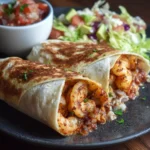
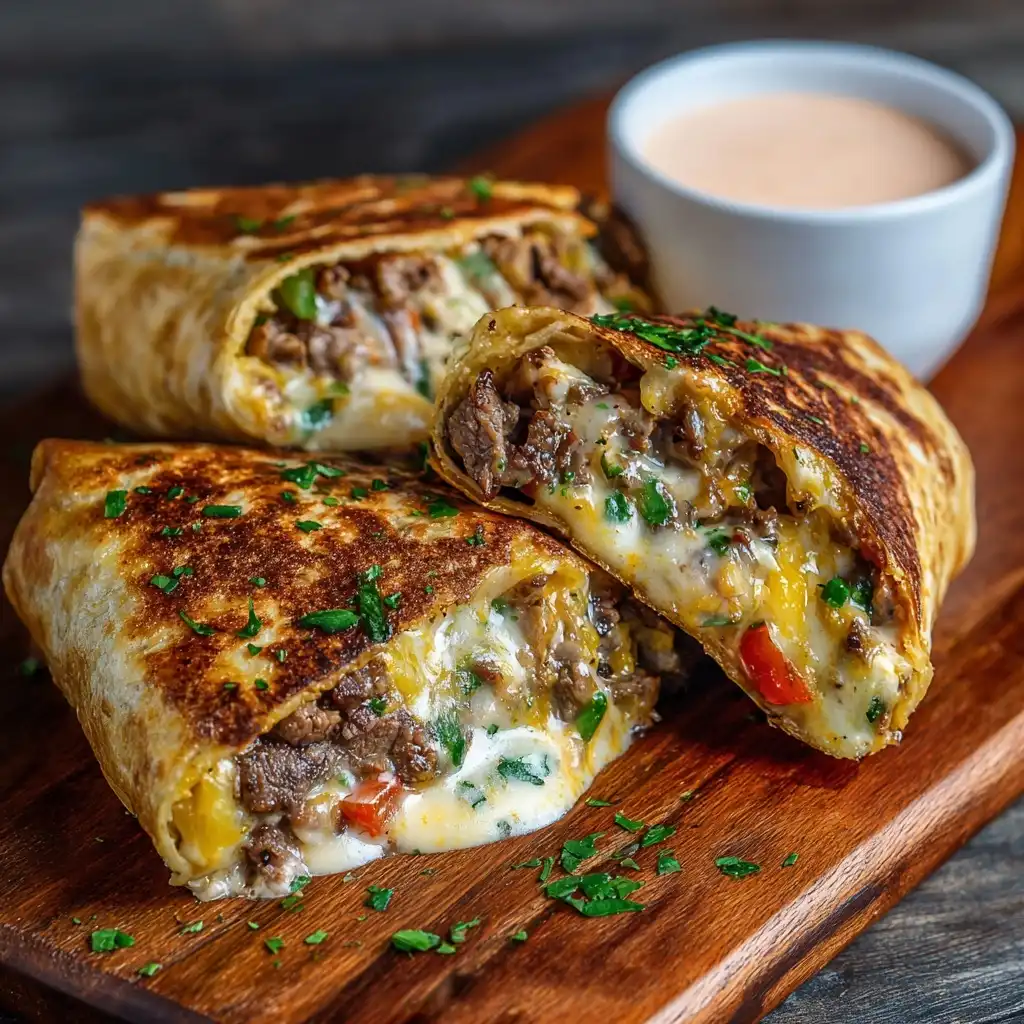
The Philly Cheesesteak Burrito is a bold, boundary-blurring culinary fusion that marries the soul-satisfying richness of Philadelphia’s iconic street food with the portable, customizable convenience of the Mexican-inspired burrito. Imagine tender strips of well-seasoned ribeye steak, melted provolone or Cheez Whiz, caramelized onions, and sautéed green peppers—all lovingly wrapped in a warm, pliable flour tortilla and often finished with a drizzle of au jus or garlic aioli. This inventive hybrid doesn’t just borrow flavors—it reimagines tradition through a cross-cultural lens, appealing to fans of both Northeastern deli culture and Southwestern comfort fare. Whether served from a food truck in Austin, a gastropub in Brooklyn, or your own kitchen on a busy weeknight, the Philly Cheesesteak Burrito delivers maximum flavor, texture, and nostalgia in every hearty bite.
The History
While the original Philly cheesesteak traces its roots to the early 1930s—credited to Pat and Harry Olivieri, hot dog vendors who first grilled thinly sliced beef on a griddle in South Philadelphia—the burrito-style adaptation is a far more recent phenomenon, emerging organically from the American culinary melting pot of the late 1990s and early 2000s. Food trucks and college-town eateries—especially in cities with strong regional food identities like Chicago, Denver, and Nashville—began experimenting with “steak-and-cheese” fillings in large flour tortillas as a response to demand for handheld, high-protein, crowd-pleasing meals. The concept gained traction online via food blogs and YouTube cooking channels around 2012–2014, where home cooks praised its versatility and forgiving technique. Though purists may raise an eyebrow (Philadelphia’s cheesesteak is traditionally served on a long hoagie roll, never a tortilla), the burrito iteration reflects broader American food trends: globalization, mashup creativity, and the democratization of regional specialties. Today, it’s embraced not only as a novelty but as a legitimate genre—appearing on menus at upscale taquerías, sports stadiums, meal-prep subscription services, and even frozen food aisles.
Ingredients Breakdown
Every exceptional Philly Cheesesteak Burrito begins with intentional, quality-driven ingredient selection—not just substitutions, but thoughtful synergies:
- Ribeye Steak: The gold standard. Its rich marbling ensures tenderness and deep beefy flavor when quickly cooked. Top sirloin or flank steak can work in a pinch but require careful slicing *against the grain* and shorter cook times to avoid chewiness.
- Onions & Bell Peppers: Yellow or white onions provide sweet depth when caramelized slowly; green bell peppers add vegetal brightness and crunch. Some variations include red onions for color or poblano peppers for subtle heat.
- Cheese: Authenticity debates rage here—but functionally, you need a cheese that melts luxuriously without breaking or becoming greasy. Provolone (mild or sharp) offers clean, salty notes; American provides ultra-smooth meltability; Cheez Whiz delivers nostalgic, creamy tang (use the canned version for authenticity or a homemade version for freshness). Mozzarella or pepper jack are popular modern twists.
- Tortillas: Large (12-inch) burrito-sized flour tortillas are non-negotiable—they must be soft, pliable, and sturdy enough to hold juicy fillings without tearing. Look for brands with minimal preservatives and no artificial colors; warming them briefly on a dry skillet or in a damp towel in the microwave makes them ultra-flexible.
- Au Jus or Gravy Base: While not always included inside the burrito, a rich, savory beef au jus—made from reduced pan drippings, low-sodium beef broth, Worcestershire, garlic, and thyme—is essential for dipping or drizzling. Some chefs enrich it with a touch of butter or reduce it into a glossy glaze.
- Seasonings & Aromatics: Kosher salt and freshly ground black pepper are foundational. Garlic powder, onion powder, smoked paprika, and a whisper of dried oregano deepen savoriness without overpowering. Fresh minced garlic and parsley added at the end brighten the entire profile.
- Optional Enhancements: Pickled jalapeños for acidity and heat, sautéed mushrooms for umami depth, crispy fried shallots for textural contrast, chipotle mayo for smoky creaminess, or even a spoonful of creamy horseradish sauce for a sharp, cooling counterpoint.
Step-by-Step Recipe
- Prep the Steak: Place 1 lb of ribeye steak in the freezer for 20–30 minutes until firm but not solid—this allows for paper-thin, even slicing. Slice *against the grain* into ⅛-inch-wide strips. Pat dry with paper towels and season generously with kosher salt, black pepper, garlic powder, and onion powder.
- Caramelize the Aromatics: In a heavy-bottomed 12-inch stainless steel or cast-iron skillet over medium-low heat, melt 1 tbsp unsalted butter with 1 tbsp olive oil. Add 1 large diced yellow onion and 1 diced green bell pepper. Cook, stirring occasionally, for 15–18 minutes until deeply golden, soft, and sweet—resist rushing this step, as caramelization builds foundational flavor.
- Seared Steak Technique: Push veggies to the outer edges of the pan. Increase heat to high. Add steak strips in a single layer—do not overcrowd (work in batches if needed). Sear undisturbed for 60–90 seconds until browned, then flip and cook another 45–60 seconds until just cooked through but still tender. Avoid overcooking—ribeye dries out fast.
- Melt the Cheese: Reduce heat to low. Sprinkle 1 cup shredded provolone (or ½ cup Cheez Whiz) evenly over the hot steak and veggies. Cover skillet with a lid for 60 seconds to trap steam and encourage full melt. Gently fold to combine—cheese should coat every strand.
- Warm & Prep Tortillas: Heat six 12-inch flour tortillas one at a time in a dry skillet over medium heat for 15 seconds per side until soft and pliable. Stack wrapped in a clean kitchen towel to retain steam and flexibility.
- Assemble with Precision: Lay a warm tortilla flat. Spoon ¾ cup of hot filling slightly off-center, leaving a 2-inch border at the bottom and sides. Drizzle with 1 tsp au jus or garlic aioli. Fold the bottom flap up over the filling, then fold left and right flaps inward, and roll tightly away from you into a snug cylinder. Tuck seam-side down.
- Optional Crisp Finish: For restaurant-style texture, lightly toast assembled burritos seam-side down in a lightly oiled skillet over medium heat for 60–90 seconds per side until golden and lightly blistered—this seals the wrap and adds irresistible crunch.
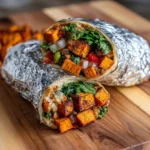
- Serve Immediately: Cut diagonally in half with a serrated knife. Serve with extra warm au jus for dipping, pickled vegetables, and a side of seasoned crinkle-cut fries or roasted sweet potato wedges.
Tips
- Freeze Before Slicing: Chilling the steak makes slicing surgical—thin slices cook faster, stay juicier, and mimic the texture of authentic cheesesteak meat.
- Low-and-Slow Onions, High-and-Fast Steak: These opposing techniques are critical—onions need time to develop sweetness and depth; steak needs speed to retain tenderness. Never skip the separate prep stages.
- Don’t Skip the Rest: After searing, let the steak rest 2 minutes before combining with cheese—this preserves juices and prevents rubbery texture.
- Tortilla Temperature Matters: Cold or room-temp tortillas crack. Warm them just before assembling—and keep them covered so they don’t dry out while you finish other components.
- Drain Excess Liquid: If your onions release too much moisture, tilt the pan and spoon off excess liquid before adding steak—otherwise, you’ll steam instead of sear.
- Roll Tight, But Not Too Tight: Over-stuffing causes blowouts; under-filling leads to loose, floppy burritos. Aim for ¾ cup filling per 12-inch tortilla.
- Double-Wrap for To-Go: For meal prep or delivery, wrap each burrito in parchment paper, then foil—or use compostable parchment-lined kraft paper wraps for eco-conscious service.
- Make-Ahead Smartness: Caramelize onions and slice steak up to 2 days ahead. Store separately in airtight containers in the fridge. Assemble and cook fresh for best texture.
- Grill Variation: For smoky summer flair, cook assembled (un-toasted) burritos on a preheated grill over indirect heat for 2–3 minutes per side, rotating 90° halfway for crosshatch marks.
- Freezing Instructions: Wrap cooled burritos individually in plastic wrap, then place in freezer bags. Freeze up to 3 months. Reheat from frozen in a 375°F oven for 25–30 minutes, or air fry at 360°F for 14–16 minutes—no thawing needed.
Variations and Customizations
The beauty of the Philly Cheesesteak Burrito lies in its remarkable adaptability—whether catering to dietary restrictions, regional palates, or creative whims:
- Vegetarian/Vegan Version: Swap ribeye for seitan “steak” (marinated in soy sauce, liquid smoke, and nutritional yeast), portobello mushrooms, or textured vegetable protein (TVP) rehydrated in beef-style bouillon. Use vegan provolone shreds or cashew-based queso, and replace butter with olive oil. Add roasted eggplant or zucchini for meaty texture.
- Breakfast Cheesesteak Burrito: Incorporate scrambled eggs or tofu scramble, breakfast potatoes, and pepper jack cheese. Top with chipotle ketchup or sriracha-maple syrup.
- Philly-Mex Fusion: Add black beans, fire-roasted corn, avocado crema, cotija cheese, and a sprinkle of chili-lime seasoning. Serve with lime wedges and cilantro.
- Gourmet Upscale: Upgrade to aged ribeye cap, wild mushrooms (oyster + shiitake), truffle-infused au jus, caramelized fennel, and aged gouda or raclette. Garnish with microgreens and flaky sea salt.
- Spicy “Philly Fire”: Marinate steak in adobo sauce and chipotle purée, add pickled red onions, jalapeño relish, pepper jack, and habanero crema. Serve with crushed plantain chips.
- Low-Carb/Keto Adaptation: Use large, low-carb almond-flour or coconut-flour tortillas—or go lettuce-wrap style with butter lettuce cups. Boost fats with avocado slices, bacon crumbles, and extra cheese; omit onions or limit to ¼ cup.
- Gluten-Free Option: Choose certified GF flour tortillas (many now match traditional texture) or cassava-based wraps. Ensure all sauces, broths, and seasonings are GF-certified (watch for hidden wheat in Worcestershire or au jus mixes).
- Seafood Twist: Replace beef with grilled calamari or shrimp, paired with lemon-caper aioli, roasted red peppers, and feta or goat cheese—a “Philly-Mediterranean” riff.
- Breakfast-for-Dinner Hybrid: Layer in cheesy hash browns, crispy pancetta, poached egg yolk (added post-cook), and chive sour cream.
- Meal-Prep Friendly Batch: Double the filling, portion into silicone muffin cups, freeze solid, then vacuum-seal. Thaw overnight and assemble fresh—perfect for weekly lunches or post-workout fuel.
Health Considerations and Nutritional Value
A standard Philly Cheesesteak Burrito (12-inch tortilla, 4 oz ribeye, ½ cup onions/peppers, 1 oz provolone, 1 tbsp butter/oil) clocks in at approximately 680–750 calories, with 42–48g protein, 32–38g total fat (14–16g saturated), 58–64g carbohydrates, and 650–950mg sodium. While indulgent by nature, smart modifications significantly improve its nutritional profile without sacrificing satisfaction:
- Protein Power: Ribeye offers complete protein plus iron, zinc, B12, and creatine—key for muscle repair and energy metabolism. Trimming visible fat reduces saturated fat by up to 25%.
- Veggie Volume: Onions and peppers contribute fiber, vitamin C (immune support), quercetin (anti-inflammatory), and antioxidants. Doubling the veggie ratio slashes calories per bite and enhances satiety.
- Smart Cheese Swaps: Part-skim mozzarella cuts saturated fat by ~30% vs. full-fat provolone; goat cheese adds probiotics and tang with less sodium. Avoid processed cheese sauces loaded with emulsifiers and sodium.
- Whole-Grain Advantage: Opt for whole-wheat or sprouted-grain tortillas—they add 3–5g fiber per serving, slow glucose absorption, and promote gut health.
- Sodium Savvy: Homemade au jus (using low-sodium broth and limiting added salt) can reduce sodium by 40% versus store-bought mixes or canned Cheez Whiz. Rinsing pickled toppings also helps.
- Healthy Fat Integration: Replace half the cooking oil with avocado oil (high smoke point + monounsaturated fats) and finish with a drizzle of extra-virgin olive oil for polyphenols.
- Dietitian Tips: Pair with a side salad (not fries) to balance macros; practice mindful portioning (opt for 10-inch tortilla); hydrate well to offset sodium load; and enjoy as part of a varied diet—not daily fare.
- Allergy & Sensitivity Notes: Naturally gluten-free if using GF tortillas; dairy-free options exist with nut-based cheeses; always verify spice blends for hidden MSG or sulfites if sensitive.
Ingredients
- 1 lb ribeye steak, partially frozen
- 1½ tbsp unsalted butter
- 1½ tbsp extra-virgin olive oil (divided)
- 1 large yellow onion, thinly sliced
- 1 large green bell pepper, cored, seeded, and thinly sliced
- 1 tsp garlic powder
- 1 tsp onion powder
- 1 tsp smoked paprika
- 1½ tsp kosher salt (plus more to taste)
- 1 tsp freshly ground black pepper
- 1 cup shredded mild provolone cheese (or ½ cup Cheez Whiz)
- 6 (12-inch) flour tortillas (preferably low-sodium, whole-wheat, or GF)
- ¼ cup reserved au jus (see Directions) or garlic aioli, for drizzling
- Fresh chopped parsley, for garnish
For the Au Jus (makes ~1 cup):
- 2 tbsp reserved steak pan drippings (or beef tallow)
- 2 tbsp all-purpose flour (or GF flour blend)
- 1½ cups low-sodium beef broth
- 1 tbsp Worcestershire sauce
- 1 tsp tomato paste
- 1 small clove garlic, minced
- ½ tsp dried thyme
- ¼ tsp black pepper
- Pinch of sugar (optional, to balance acidity)
Directions
- Make the Au Jus: In a small saucepan, heat reserved pan drippings over medium heat. Whisk in flour; cook 2 minutes until golden and fragrant. Gradually whisk in beef broth, ensuring no lumps remain. Stir in Worcestershire, tomato paste, garlic, thyme, pepper, and sugar. Simmer uncovered 12–15 minutes until reduced by ⅓ and thickened to coat the back of a spoon. Strain, season with salt to taste, and keep warm.
- Prep Steak: Remove steak from freezer. Slice against the grain into thin strips (~⅛-inch thick). Pat extremely dry. In a bowl, toss with garlic powder, onion powder, smoked paprika, 1 tsp salt, and ½ tsp pepper.
- Caramelize Vegetables: In a large skillet over medium-low heat, combine 1 tbsp butter and 1 tbsp olive oil. Add onions and peppers. Cook 15–18 minutes, stirring every 3–4 minutes, until deeply golden, soft, and jammy. Transfer to a bowl; wipe skillet clean.
- Sear Steak: Increase heat to high. Add remaining ½ tbsp olive oil to skillet. Once shimmering, add half the steak in a single layer. Sear 60–90 seconds undisturbed, flip, and cook 45–60 seconds more. Transfer to bowl with veggies. Repeat with remaining steak.
- Combine & Melt: Return skillet to low heat. Add remaining ½ tbsp butter. Add steak-veggie mixture. Sprinkle cheese evenly over top. Cover and steam 60 seconds. Uncover; gently fold until cheese fully coats and creates a cohesive, glossy filling. Remove from heat.
- Warm Tortillas: Heat a dry skillet over medium. Warm each tortilla 15 seconds per side until soft and pliable. Stack in a folded kitchen towel.
- Assemble Burritos: Place tortilla flat. Spoon ¾ cup filling just below center. Drizzle with 1 tsp warm au jus. Fold bottom up, then sides in, and roll tightly. Press seam-side down.
- Toast (Optional): Lightly oil skillet. Toast burritos seam-side down 60 seconds, then flip and toast 60 seconds more until golden and crisp.
- Serve: Slice on diagonal. Serve immediately with extra au jus for dipping, pickled vegetables, and fresh parsley.
FAQ
- Can I make these ahead of time?
- Yes—but for optimal texture, prepare components ahead and assemble fresh. Caramelized onions and sliced steak keep refrigerated 3 days or frozen 3 months. Fully assembled burritos can be frozen (wrapped tightly) up to 3 months; reheat in oven or air fryer as directed.
- What’s the best cheese for authenticity?
- Philly purists swear by Cheez Whiz for its signature creamy, salty, nostalgic profile—but provolone offers superior melt and complexity. American provides foolproof meltability. Try a 50/50 blend of provolone + Cheez Whiz for balance.
- Why does my burrito fall apart?
- Common causes: tortillas too cold/dry, overfilling, insufficient seam tuck, or skipping the final press/seam-down step. Always warm tortillas, use proper folding technique, and consider a light toast to seal.
- Can I use a different cut of beef?
- You can—but ribeye is ideal. Flank or skirt steak work if sliced *very* thin *against the grain* and marinated 30 minutes in soy, lime, and garlic. Avoid stewing cuts—they won’t shred properly.
- Is there a way to lighten this up?
- Absolutely: swap ribeye for lean top round or turkey “steak,” use Greek yogurt–based au jus, load up on peppers/onions (double the volume), choose whole-grain tortillas, and skip the butter in favor of avocado oil.
- Can I grill these?
- Yes! Assemble un-toasted burritos, lightly brush with oil, and grill over medium indirect heat 2–3 minutes per side, rotating once for grill marks. Avoid direct flame to prevent bursting.
- What sides pair best?
- Classic: crinkle-cut fries tossed in garlic-parmesan oil. Lighter: lemon-dressed kale salad with cherry tomatoes. Unexpected: roasted sweet potato wedges with chipotle aioli. Beverage: craft root beer, sparkling water with lime, or a malty amber ale.
- How do I prevent soggy burritos?
- Key tactics: thoroughly drain onions after caramelizing, pat steak dry before cooking, let filling cool 2 minutes before wrapping, and avoid adding wet sauces *inside*—drizzle on top or serve on the side.
- Are Philly Cheesesteak Burritos gluten-free?
- They can be—with certified gluten-free tortillas and verified GF ingredients (broth, Worcestershire, spices). Always read labels carefully—many au jus mixes contain wheat.
- Can I make a vegetarian version that satisfies meat-eaters?
- Yes—with marinated, seared king oyster mushrooms or seitan “steak” (simmered in beef bouillon + tamari + liquid smoke), caramelized onions/peppers, melted smoked gouda, and a rich mushroom “au jus.” Texture and umami will surprise even skeptics.
Summary
The Philly Cheesesteak Burrito is a masterclass in American culinary innovation—honoring the bold, comforting soul of Philadelphia’s legendary sandwich while embracing the versatility, portability, and global flair of the burrito format. With meticulous attention to ingredient quality, temperature control, and layered textures, it transforms weeknight cooking into an experience that’s equal parts nostalgic, satisfying, and endlessly customizable.
Whether you’re feeding a hungry family, prepping for game day, or simply craving something deeply flavorful and unapologetically hearty, this recipe delivers restaurant-quality results at home—with room for creativity, dietary adaptation, and joyful reinvention at every step.