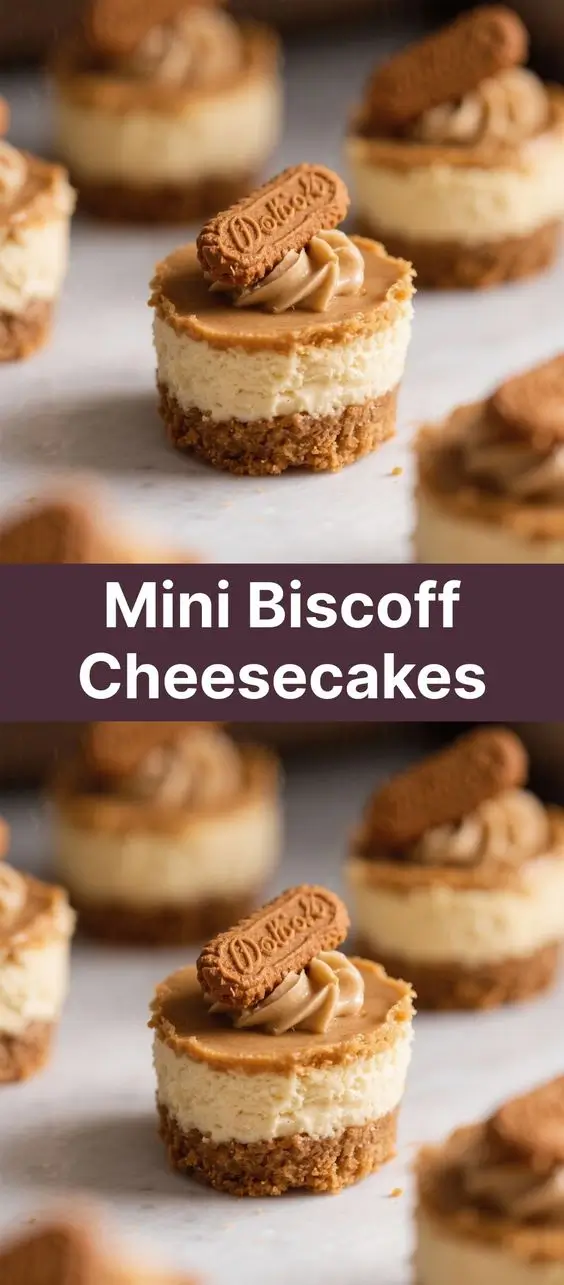
Mini Biscoff Cheesecakes: A Decadent Delight in Every Bite
If you’re a fan of creamy textures, rich spices, and the irresistible caramelized flavor of Biscoff cookies, then Mini Biscoff Cheesecakes are about to become your new obsession. These bite-sized treats combine the smoothness of classic cheesecake with the warm, spiced notes of Lotus Biscoff spread and cookies, creating an indulgent dessert that’s perfect for parties, holidays, or just treating yourself. Easy to make, visually stunning, and bursting with flavor, these mini cheesecakes deliver big satisfaction in a small package.
The History Behind the Treat
The story of Biscoff begins in Belgium, where Lotus Bakeries first introduced their iconic caramelized biscuit—known as Speculoos in Europe—in 1932. Originally served in European cafés alongside coffee, these spiced shortbread cookies quickly gained popularity for their unique blend of cinnamon, nutmeg, cloves, and brown sugar. In the 2000s, the brand launched Biscoff cookie butter (or “Biscoff spread”), a creamy, spreadable version of the beloved cookie, which went viral globally, especially after being served on flights by certain airlines.
Cheesecake, on the other hand, has ancient roots, dating back to Greece, where it was served to athletes during the first Olympic games. Over centuries, it evolved across cultures—from Roman adaptations to New York–style cream cheese versions in the 20th century. The fusion of Biscoff and cheesecake is a modern innovation, emerging in the early 2010s as food bloggers and home bakers experimented with the trendy cookie butter. Mini cheesecakes, already popular for their portability and elegant presentation, became the perfect canvas for Biscoff’s bold flavor, giving rise to the now-ubiquitous Mini Biscoff Cheesecakes enjoyed worldwide.
Ingredients Breakdown: What Makes These Mini Cheesecakes So Irresistible?
The magic of Mini Biscoff Cheesecakes lies in the harmony of simple yet flavorful ingredients. Each component plays a crucial role in texture, taste, and structure:
- Biscoff Cookies: Used both in the crust and swirled into the filling, these spiced biscuits provide a crunchy base and bursts of warm, molasses-like sweetness. Their high fat content helps create a crisp, cohesive crust when pressed into the pan.
- Biscoff Spread (Cookie Butter): This creamy, spreadable version of the cookie is the star of the filling. It melts smoothly into the cheesecake batter, infusing every bite with its signature spice profile without overpowering the creaminess.
- Cream Cheese: Full-fat, brick-style cream cheese is essential for a rich, velvety texture. Low-fat versions can result in a watery or cracked cheesecake. Make sure it’s at room temperature for easy blending.
- Heavy Cream or Sour Cream: Adds moisture and tang, balancing the sweetness of the Biscoff. Heavy cream enhances richness, while sour cream adds a slight zing and helps prevent cracking.
- Granulated Sugar: Sweetens the mixture and aids in achieving a smooth consistency. It also helps the cheesecake develop a delicate golden hue on top.
- Eggs: Act as a binder and provide structure. They should be added one at a time and not overmixed to avoid incorporating too much air, which can lead to cracks.
- Vanilla Extract: Enhances overall flavor complexity, rounding out the spices in the Biscoff with a warm, aromatic note.
- Salt: A pinch amplifies all the other flavors and prevents the dessert from tasting flat.
- Optional Toppings: Whipped cream, extra Biscoff spread drizzle, crushed Biscoff cookies, or even a caramel glaze for added flair.
Step-by-Step Recipe: How to Make Perfect Mini Biscoff Cheesecakes
Yield: 12 mini cheesecakes
Prep Time: 25 minutes
Cook Time: 20–25 minutes
Chill Time: At least 4 hours (preferably overnight)
Equipment: Muffin tin, cupcake liners (or silicone molds), mixing bowls, electric hand mixer or stand mixer, spatula
Ingredients
For the Crust:
- 1 cup (about 75g) finely crushed Biscoff cookies (approximately 12–15 cookies)
- 3 tablespoons unsalted butter, melted
- 1 tablespoon granulated sugar (optional, for added sweetness)
For the Filling:
- 16 oz (450g) full-fat cream cheese, softened to room temperature
- ½ cup (130g) Biscoff spread, room temperature
- ⅓ cup (65g) granulated sugar
- 1 teaspoon vanilla extract
- Pinch of salt
- 1 tablespoon heavy cream or sour cream
- 2 large eggs, room temperature
For Garnish (Optional):
- Extra Biscoff spread for drizzling
- Crushed Biscoff cookies
- Whipped cream
- Cinnamon or edible gold dust for decoration
Directions
- Preheat Oven & Prepare Pan: Preheat your oven to 325°F (160°C). Line a 12-cup muffin tin with cupcake liners. For easier removal, use foil liners or double-line with parchment paper cut into circles placed at the bottom of each liner.
- Make the Crust: In a medium bowl, combine the crushed Biscoff cookies, melted butter, and optional sugar. Mix until the crumbs are evenly moistened and resemble wet sand. Press about 1–2 tablespoons of the mixture into the bottom of each liner, using the back of a spoon or a small measuring cup to compact it firmly. Bake for 8–10 minutes to set the crust, then remove and let cool slightly while preparing the filling.
- Prepare the Filling: In a large mixing bowl, beat the softened cream cheese on medium speed until smooth and creamy, about 2 minutes. Scrape down the sides of the bowl. Add the Biscoff spread and mix until fully incorporated and no streaks remain.
- Add Sweeteners & Flavor: Mix in the sugar, vanilla extract, salt, and heavy cream. Beat until smooth and fluffy, another 1–2 minutes.
- Incorporate Eggs: Add the eggs one at a time, beating on low speed after each addition just until blended. Do not overmix—this is crucial to prevent cracks and air bubbles. Stop as soon as the egg disappears into the batter.
- Fill the Cups: Carefully spoon or pour the batter over the pre-baked crusts, filling each about ¾ full to allow room for expansion. Gently tap the pan on the counter a few times to release any trapped air bubbles.
- Bake: Place the muffin tin in the center of the preheated oven. Bake for 20–25 minutes, or until the edges are set but the centers still have a slight jiggle (like Jell-O when gently nudged). Overbaking will cause cracking.
- Cool Gradually: Turn off the oven, crack the door open slightly, and let the cheesecakes sit inside for 30 minutes. This gradual cooling helps prevent sudden temperature changes that lead to cracks.
- Chill Thoroughly: Remove from the oven and let cool completely at room temperature (about 1 hour). Then, cover loosely with plastic wrap and refrigerate for at least 4 hours, preferably overnight, to allow the texture to firm up.
- Decorate & Serve: Once chilled, carefully peel away the cupcake liners. Top each mini cheesecake with a dollop of whipped cream, a drizzle of warmed Biscoff spread, and a sprinkle of crushed cookies. For an elegant touch, pipe the Biscoff spread using a zip-top bag with the corner snipped.
Pro Tips for Flawless Mini Biscoff Cheesecakes
- Room Temperature Ingredients Are Key: Cold cream cheese or eggs can lead to lumpy batter. Take everything out of the fridge at least 1–2 hours before baking.
- Avoid Overmixing: Once you add the eggs, mix only until just combined. Overbeating incorporates air, which expands during baking and collapses upon cooling, causing cracks.
- Use a Water Bath (Optional but Helpful): For ultra-smooth, crack-free results, place the muffin tin inside a larger roasting pan and pour hot water around it until it reaches halfway up the sides of the liners. This creates steam and even heat distribution.
- Crush Cookies Fine: Use a food processor or rolling pin to get uniformly fine crumbs. Larger chunks can make the crust crumble when eaten.
- Don’t Skip the Pre-Bake: Baking the crust ensures it stays crisp and doesn’t turn soggy once filled.
- Chill Before Serving: These taste best cold. The longer they chill, the firmer and more flavorful they become.
- Storage Tip: Store in an airtight container in the refrigerator for up to 5 days. You can also freeze them (ungarnished) for up to 2 months—wrap individually in plastic wrap and thaw in the fridge before decorating.
Variations and Customizations
While the classic Mini Biscoff Cheesecake is divine on its own, feel free to get creative with these fun twists:
- Chocolate Swirl: Melt ¼ cup chocolate chips and drizzle into the batter before baking. Use a toothpick to swirl for a marbled effect.
- Double Biscoff: Add 2 tablespoons of crushed Biscoff cookies directly into the batter for extra crunch.
- Spice It Up: Add a pinch of ground cinnamon, nutmeg, or ginger to the filling to amplify the warmth of the Biscoff.
- Fruit Fusion: Top with raspberry compote, sliced strawberries, or caramelized bananas for a fruity contrast.
- Dairy-Free Version: Use dairy-free cream cheese (like Kite Hill or Miyoko’s), coconut-based Biscoff-style spread, and vegan butter in the crust. Ensure the cupcake liners are also vegan-friendly.
- Gluten-Free Option: Substitute the Biscoff cookies with gluten-free spiced cookies or a blend of almond flour, oats, and spices mixed with butter.
- Mini Mason Jar Cheesecakes: Skip the baking and make no-bake versions in small jars. Use gelatin or whipped coconut cream to help set the filling.
- Seasonal Themes: Add green food coloring for St. Patrick’s Day, red and green sprinkles for Christmas, or pastel colors for Easter.
Health Considerations and Nutritional Value
While undeniably delicious, Mini Biscoff Cheesecakes are a treat best enjoyed in moderation due to their calorie and sugar content. Here’s a general nutritional breakdown per serving (1 mini cheesecake, without garnish):
- Calories: ~280–320
- Total Fat: 20–25g (mostly from cream cheese, butter, and Biscoff spread)
- Saturated Fat: 10–12g
- Carbohydrates: 22–26g
- Sugars: 16–18g (naturally occurring and added)
- Protein: 4–5g
- Sodium: ~200–250mg
Considerations:
- High in Saturated Fat: Due to cream cheese, butter, and Biscoff spread, these are not heart-healthy desserts for daily consumption. Those monitoring cholesterol may want to limit intake.
- Sugar Content: With nearly 18g of sugar per piece, this may not be suitable for diabetics unless modified with sugar substitutes.
- Lactose Intolerance: Traditional versions contain dairy. Lactose-sensitive individuals should opt for lactose-free or plant-based alternatives.
- Portion Control: Being mini doesn’t mean low-calorie! Stick to one serving and savor slowly.
- Balanced Indulgence: Pair with a cup of herbal tea or fresh fruit to balance the richness.
Frequently Asked Questions (FAQ)
Can I make these ahead of time?
Absolutely! These cheesecakes actually improve in flavor and texture after chilling overnight. Prepare them 1–2 days in advance and decorate just before serving.
Why did my cheesecakes crack?
Cracking is usually caused by overmixing, overbaking, or rapid cooling. Always mix on low after adding eggs, bake until just set, and cool gradually in the turned-off oven.
Can I make them without a mixer?
Yes, but it will take more effort. Use a whisk and plenty of elbow grease to ensure the cream cheese is completely smooth before adding other ingredients.
Can I use jarred Biscoff spread in the crust?
Not recommended. The spread is too soft and oily to form a stable crust. Stick to real crushed Biscoff cookies bound with melted butter.
How do I store leftovers?
Keep refrigerated in an airtight container for up to 5 days. If frozen, wrap individually and thaw in the fridge for 2–3 hours before serving.
Can I make these into a full-sized cheesecake?
Definitely! Double the recipe and bake in a 9-inch springform pan at 325°F for 50–60 minutes, or until center is slightly jiggly. Follow the same cooling process.
Are there artificial ingredients in Biscoff?
Traditional Biscoff cookies and spread contain palm oil, soy, and preservatives. Check labels if you’re avoiding specific additives. Natural alternatives exist but may vary in flavor.
Summary
Mini Biscoff Cheesecakes are the perfect marriage of creamy indulgence and spiced sweetness, delivering a sophisticated dessert experience in a convenient, bite-sized form. Simple to make and endlessly customizable, they’re guaranteed to impress at any gathering—or make a luxurious solo treat.