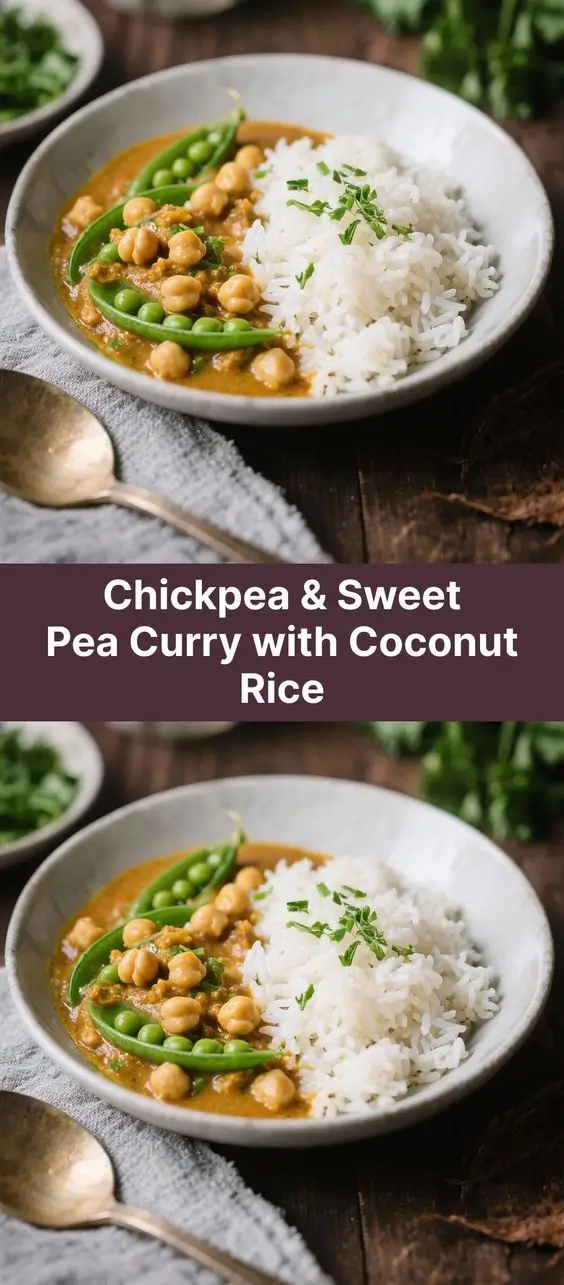
Chickpea & Sweet Pea Curry with Coconut Rice: A Flavorful Plant-Based Delight
If you’re searching for a hearty, nutritious, and aromatic meal that brings together the richness of Indian-inspired spices with the creaminess of coconut, then this Chickpea & Sweet Pea Curry with Coconut Rice is your perfect culinary companion. Whether you’re a seasoned vegetarian, exploring plant-based meals, or simply craving something warm and comforting on a chilly evening, this dish delivers layers of flavor, texture, and nourishment in every bite. From its vibrant history rooted in South Asian cuisine to its modern-day adaptations for health-conscious eaters, this curry is both timeless and versatile.
The History Behind the Dish
The origins of chickpea-based curries can be traced back thousands of years to the Indian subcontinent, where legumes have long been a dietary staple due to their high protein content and ability to thrive in diverse climates. Chickpeas, known as “chana” in Hindi and Urdu, are central to countless regional dishes—from the spicy chana masala of North India to the sweet-and-savory chhole served during festivals.
Sweet peas, though not native to South Asia, were introduced during colonial trade exchanges and gradually found their way into traditional cooking, especially in springtime recipes. Their subtle sweetness pairs beautifully with earthy chickpeas and bold spices, creating a balance that appeals across cultures.
Coconut rice, while more commonly associated with Southeast Asian and coastal Indian cuisines (like those from Kerala or Goa), adds a luxurious creaminess that complements spiced curries. The use of coconut milk in savory dishes reflects centuries-old culinary practices along tropical coastlines where coconuts grow abundantly.
This fusion recipe—melding chickpeas, sweet peas, aromatic spices, and coconut rice—honors these global influences while offering a contemporary twist suitable for today’s multicultural kitchens. It’s a celebration of how food evolves through migration, trade, and innovation, all while remaining deeply rooted in tradition.
Ingredients Breakdown: What Makes This Dish Shine
The magic of this Chickpea & Sweet Pea Curry lies not just in its taste but in the thoughtful selection of ingredients that contribute to flavor, texture, color, and nutrition. Let’s break them down:
- Chickpeas (Garbanzo Beans): Packed with plant-based protein and fiber, canned or cooked dried chickpeas provide a meaty texture and mild nutty flavor that absorbs spices beautifully.
- Sweet Peas: Fresh or frozen green peas add natural sweetness, vibrant color, and essential vitamins like vitamin C and K.
- Onion & Garlic: These aromatics form the flavor base of most curries, releasing sweetness when sautéed and enhancing depth.
- Ginger: Freshly grated ginger contributes warmth and a slight zing, balancing heavier elements.
- Tomatoes: Diced tomatoes (preferably fire-roasted) lend acidity and body to the sauce, helping emulsify the spices and oils.
- Coconut Milk: Full-fat coconut milk gives the curry its signature creaminess and subtle tropical sweetness, counteracting heat from spices.
- Curry Spices: A blend of ground cumin, coriander, turmeric, garam masala, smoked paprika, and cayenne pepper creates a complex, warming profile. Turmeric also imparts anti-inflammatory benefits and a golden hue.
- Fresh Herbs: Cilantro (coriander leaves) adds freshness at the end, cutting through richness.
- Lime Juice: A splash brightens the entire dish, elevating flavors with citrusy tang.
- Basmati Rice: Long-grain rice steamed with coconut milk and a pinch of salt becomes rich and fragrant, perfectly complementing the curry.
- Oil: Coconut oil or neutral vegetable oil is used for sautéing; coconut oil enhances the tropical theme.
Optional enhancements include toasted coconut flakes, cashews, spinach, or mango chutney for serving—each adding another dimension to the experience.
Step-by-Step Recipe: How to Make Chickpea & Sweet Pea Curry with Coconut Rice
Part 1: Prepare the Coconut Rice
- Rinse 1 cup of basmati rice under cold water until the water runs clear to remove excess starch.
- In a medium saucepan, combine the rinsed rice with 1 cup of water and ½ cup of full-fat coconut milk. Add a pinch of salt and optionally, a few drops of vanilla extract or a cinnamon stick for extra aroma.
- Bring to a gentle boil over medium-high heat, then reduce to low, cover, and simmer for 15–18 minutes, or until all liquid is absorbed and rice is fluffy.
- Remove from heat and let it sit covered for 5 minutes. Fluff with a fork and set aside. If desired, stir in a tablespoon of shredded unsweetened coconut for added texture.
Part 2: Cook the Chickpea & Sweet Pea Curry
- Heat 2 tablespoons of coconut oil in a large deep skillet or Dutch oven over medium heat.
- Add 1 finely chopped onion and sauté for 5–7 minutes until translucent and beginning to caramelize.
- Stir in 3 minced garlic cloves and 1 tablespoon of freshly grated ginger; cook for 1 minute until fragrant.
- Add 1 teaspoon each of ground cumin, coriander, and turmeric, plus ½ teaspoon smoked paprika, ¼ teaspoon cayenne (adjust to taste), and 1 teaspoon garam masala. Stir constantly for 30 seconds to toast the spices—this unlocks their essential oils and intensifies flavor.
- Pour in one 14.5 oz can of diced tomatoes (with juices) and bring to a simmer. Cook for 5 minutes, allowing the mixture to thicken slightly.
- Add two 15 oz cans of drained and rinsed chickpeas, along with 1 cup of sweet peas (thawed if frozen).
- Stir in one 13.5 oz can of full-fat coconut milk. Mix well and bring the curry to a gentle simmer. Do not boil vigorously—this can cause the coconut milk to separate.
- Cover and cook for 20–25 minutes, stirring occasionally, allowing the flavors to meld and the sauce to thicken.
- Season with sea salt and black pepper to taste. Finish with the juice of half a lime and a generous handful of chopped fresh cilantro.
- Taste and adjust seasoning—add more spice, lime, or a touch of maple syrup or jaggery if needed to balance acidity and heat.
Part 3: Serve and Garnish
- Scoop warm coconut rice into shallow bowls.
- Ladle the steaming chickpea and sweet pea curry over the rice.
- Garnish with additional cilantro, a sprinkle of toasted coconut flakes, crushed roasted cashews, or a drizzle of coconut cream.
- Offer lime wedges on the side for an extra burst of brightness.
- Serve alongside naan bread, roti, or papadum for dipping and scooping.
Expert Tips for the Best Results
- Toast Your Spices: Never skip toasting the spices in oil—it dramatically enhances flavor. Just be careful not to burn them; keep the heat moderate and stir continuously.
- Use Full-Fat Coconut Milk: Light versions often result in a watery sauce. For maximum creaminess, choose BPA-free cans with thick, creamy consistency.
- Don’t Overcook the Peas: Add frozen peas directly without thawing—they’ll cook perfectly in the simmering curry. Fresh peas should be blanched first.
- Bloom Garam Masala Late: While some spices go in early, consider adding half the garam masala at the end to preserve its delicate floral notes.
- Rest Before Serving: Like most curries, this dish tastes even better after resting for 10–15 minutes off the heat, allowing flavors to deepen.
- Make Ahead Friendly: This curry reheats beautifully and often improves overnight as the chickpeas absorb more sauce. Store in an airtight container in the fridge for up to 5 days or freeze for up to 3 months.
- Adjust Consistency: If the curry thickens too much upon standing, thin it with a little vegetable broth or water when reheating.
Variations and Customizations
This recipe is highly adaptable—perfect for accommodating different tastes, dietary needs, and seasonal ingredients. Here are some creative twists:
- Spinach or Kale Addition: Stir in 2 cups of chopped leafy greens during the last 5 minutes of cooking for a nutrient boost.
- Roasted Vegetables: Add roasted cauliflower, sweet potato cubes, or bell peppers for heartier texture and natural sweetness.
- Protein Boost: Include pan-seared tofu, tempeh, or lentils for extra plant-powered protein.
- Thai-Inspired Version: Swap garam masala for red or green curry paste and add lemongrass, kaffir lime leaves, and fish sauce (or soy sauce for vegan option).
- Mediterranean Twist: Use lemon zest instead of lime, add artichoke hearts and sun-dried tomatoes, and finish with parsley and olives.
- Spicier Kick: Increase cayenne or add fresh chopped green chilies like jalapeño or serrano for more heat.
- Creamier Texture: Blend ½ cup of the curry before adding chickpeas back in for a silkier base.
- Low-Fat Option: Replace half the coconut milk with unsweetened almond milk or light coconut milk—but expect a thinner sauce.
- Grain Alternatives: Serve over quinoa, millet, or cauliflower rice for gluten-free or lower-carb options.
- Dessert Fusion: For a fun brunch version, serve with mango slices, toasted coconut, and a dollop of coconut yogurt.
Health Considerations and Nutritional Value
This Chickpea & Sweet Pea Curry with Coconut Rice isn’t just delicious—it’s also packed with health-promoting nutrients ideal for a balanced diet.
Nutritional Highlights (Per Serving, Approximate)
- Calories: ~450 kcal (depending on portion size and coconut milk usage)
- Protein: ~14g – primarily from chickpeas and peas, making it excellent for vegetarians and vegans.
- Fiber: ~12g – supports digestive health, promotes satiety, and helps regulate blood sugar levels.
- Healthy Fats: ~20g – mostly from coconut milk and oil, which contain medium-chain triglycerides (MCTs) linked to improved metabolism.
- Carbohydrates: ~55g – complex carbs from whole grains and legumes provide sustained energy.
- Vitamins & Minerals: Rich in folate, iron, manganese, vitamin C (from peas), vitamin K, potassium, and antioxidants from spices like turmeric (curcumin).
Health Benefits
- Anti-Inflammatory Properties: Turmeric contains curcumin, known for reducing inflammation and potentially lowering risk of chronic diseases.
- Heart Health: Legumes support healthy cholesterol levels, while unsaturated fats from coconut (in moderation) may benefit cardiovascular function.
- Blood Sugar Regulation: High fiber and protein content help prevent spikes in glucose, beneficial for diabetics or those managing insulin sensitivity.
- Gut Health: Fiber acts as a prebiotic, feeding beneficial gut bacteria and improving microbiome diversity.
- Weight Management: Satiating and nutrient-dense, this dish helps curb cravings and supports mindful eating patterns.
Dietary Notes
- Vegan & Dairy-Free: Naturally free from animal products—ideal for plant-based diets.
- Gluten-Free: Ensure all packaged ingredients (like canned tomatoes and spices) are certified gluten-free if necessary.
- Allergen Alert: Contains coconut (tree nut). Substitute with oat milk or soy milk for coconut allergies, though flavor will change.
- Sodium Control: Use low-sodium canned beans and tomatoes, and season with care. You can always add more salt later.
- Phytic Acid Note: Chickpeas contain phytates, which can inhibit mineral absorption. Soaking and cooking reduce this effect significantly.
Complete Ingredients List
For the Coconut Rice:
- 1 cup basmati rice
- 1 cup water
- ½ cup full-fat coconut milk
- Pinch of salt
- (Optional) 1 tsp shredded unsweetened coconut or 1 cinnamon stick
For the Chickpea & Sweet Pea Curry:
- 2 tbsp coconut oil or avocado oil
- 1 large yellow onion, finely chopped
- 3 garlic cloves, minced
- 1 tbsp fresh ginger, grated
- 1 tsp ground cumin
- 1 tsp ground coriander
- 1 tsp ground turmeric
- ½ tsp smoked paprika
- ¼–½ tsp cayenne pepper (to taste)
- 1 tsp garam masala (plus extra for finishing)
- 1 (14.5 oz) can diced tomatoes (fire-roasted preferred)
- 2 (15 oz) cans chickpeas, drained and rinsed
- 1 cup sweet green peas (frozen or fresh)
- 1 (13.5 oz) can full-fat coconut milk
- Juice of ½ lime
- Salt and black pepper to taste
- ½ cup fresh cilantro, chopped
Optional Garnishes:
- Toasted coconut flakes
- Crushed roasted cashews or almonds
- Lime wedges
- Extra cilantro
- Drizzle of coconut cream
- Sliced green onions
- Mango chutney or pickled onions
Directions Recap
- Prepare Coconut Rice: Rinse rice, then cook with water, coconut milk, and salt. Simmer covered for 15–18 minutes, rest, fluff, and set aside.
- Sauté Aromatics: Heat oil in a large pot. Cook onion until soft (~7 mins), then add garlic and ginger; cook 1 minute.
- Bloom Spices: Add cumin, coriander, turmeric, paprika, cayenne, and half the garam masala. Stir 30 seconds until fragrant.
- Add Tomatoes: Stir in diced tomatoes with juices. Simmer 5 minutes to build flavor base.
- Incorporate Chickpeas & Peas: Add chickpeas and peas. Mix well.
- Pour in Coconut Milk: Add full can of coconut milk. Stir gently and bring to a simmer.
- Simmer Curry: Cover and cook on low for 20–25 minutes, stirring occasionally.
- Season & Finish: Add salt, pepper, lime juice, remaining garam masala, and cilantro. Adjust flavors to taste.
- Serve: Spoon coconut rice into bowls, top with curry, and garnish generously.
Frequently Asked Questions (FAQ)
Can I make this curry in a slow cooker or Instant Pot?
Absolutely! In an Instant Pot, sauté onions, garlic, and ginger using the “Sauté” function, add spices, then tomatoes, chickpeas, peas, and coconut milk. Seal and cook on High Pressure for 8 minutes, followed by a natural release. Stir in lime and herbs afterward. For a slow cooker, sauté aromatics and spices first in a pan, then transfer to the crockpot with remaining ingredients. Cook on Low for 6–8 hours or High for 3–4 hours.
Is this curry freezer-friendly?
Yes! Let the curry cool completely, then store in airtight containers or freezer bags. Freeze for up to 3 months. Thaw overnight in the fridge and reheat gently on the stove, adding a splash of liquid if needed.
Why did my coconut milk separate?
Coconut milk can split if boiled too vigorously or exposed to sudden temperature changes. To prevent this, keep the heat low and avoid rapid boiling. If separation occurs, whisk in a small amount of warm water or vegetable broth to re-emulsify.
Can I use dried chickpeas instead of canned?
Definitely. Soak ½ cup dried chickpeas overnight, then cook until tender (about 1–1.5 hours). Use in place of canned. They have superior texture and less sodium.
How do I make this oil-free?
You can sauté the onions in water, vegetable broth, or tomato juice instead of oil. The flavor will be lighter, but still satisfying. Alternatively, roast the onions separately before adding.
What can I substitute for coconut?
If avoiding coconut, replace coconut milk with cashew cream (blend soaked cashews with water), oat milk, or soy milk. However, the tropical richness will be reduced.
Can I add other vegetables?
Yes! Carrots, zucchini, eggplant, broccoli, or butternut squash work wonderfully. Add firmer veggies earlier, softer ones near the end.
Is garam masala necessary?
While not mandatory, it adds a distinctive warmth and complexity. If unavailable, create a quick substitute: mix equal parts cinnamon, cardamom, cloves, and black pepper. Or omit and increase cumin and coriander slightly.
My curry is too spicy—how can I fix it?
Add more coconut milk, a spoonful of plain yogurt (or dairy-free alternative), or a pinch of sugar to mellow the heat. Serving with extra rice or naan also helps balance intensity.
Can I make this ahead for meal prep?
Excellent choice! This curry reheats beautifully and flavors deepen over time. Portion into containers with rice for easy weekday lunches. Keeps refrigerated for up to 5 days.
Summary
This Chickpea & Sweet Pea Curry with Coconut Rice is a harmonious blend of protein-rich legumes, garden-fresh peas, aromatic Indian spices, and creamy coconut, served atop luxuriously fragrant rice—a nourishing, flavorful, and satisfying plant-based meal that celebrates global traditions in every bite.
Ideal for weeknight dinners, meal prep, or impressing guests, this dish proves that wholesome food can be indulgent, colorful, and deeply comforting—all at once.