Ultimate Creamy Garlic Parmesan Chicken Recipe
Introduction
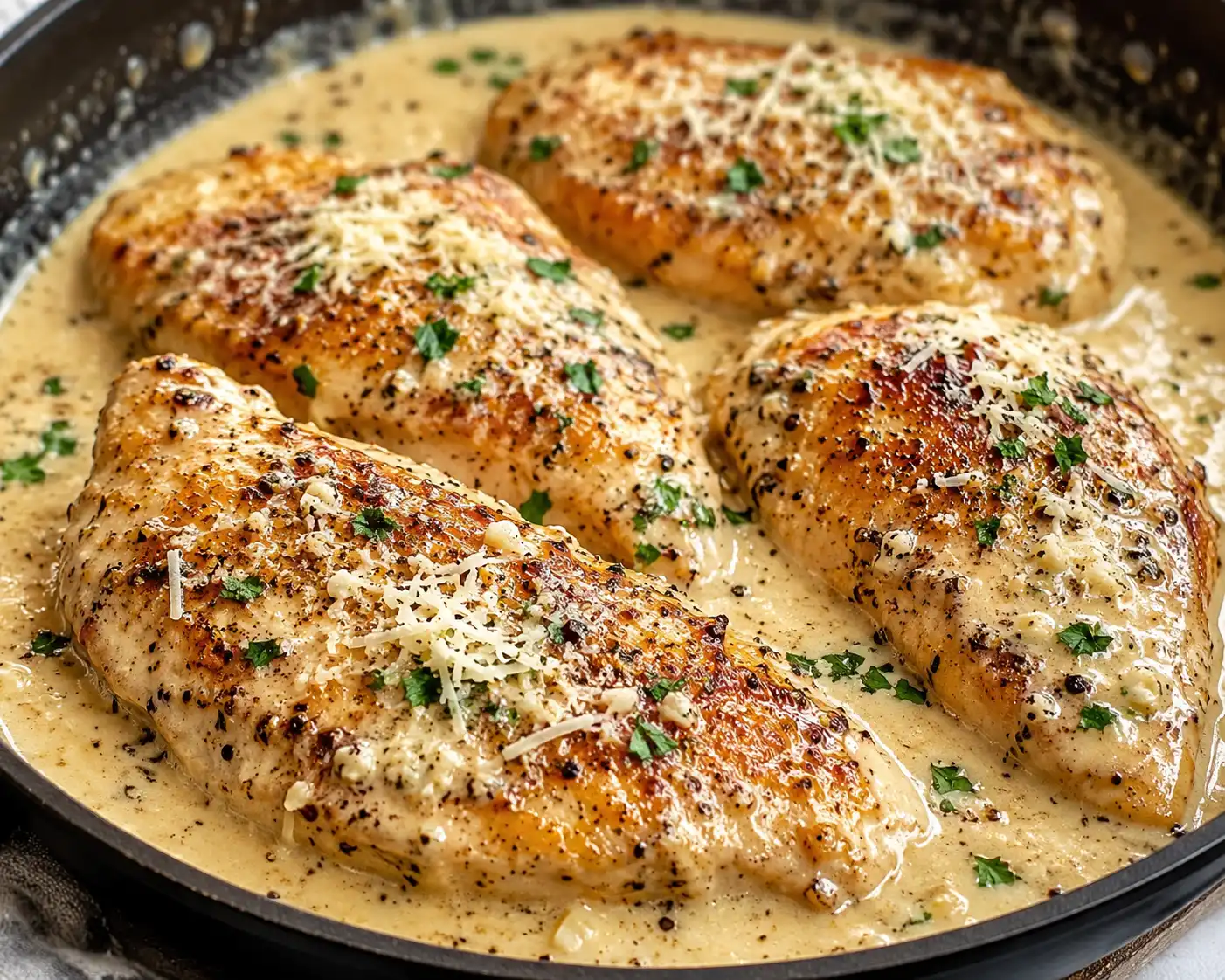
There are few dishes in the culinary world that evoke the same level of comfort, sophistication, and sheer satisfaction as a perfectly executed Creamy Garlic Parmesan Chicken. This dish represents the pinnacle of weeknight dining that feels like a weekend indulgence, combining the lean protein of tender chicken with the rich, velvety textures of a reduced cream sauce infused with aromatic garlic and sharp, nutty Parmesan cheese. Whether you are hosting a dinner party for close friends or simply looking to elevate your Tuesday night meal after a long day at work, this recipe delivers on flavor, texture, and visual appeal. The aroma alone, as the garlic sizzles in butter and the cheese melts into the cream, is enough to gather everyone around the kitchen table in anticipation.
The beauty of this recipe lies in its simplicity masked by complex flavors. It does not require obscure ingredients found only in specialty stores, nor does it demand hours of slow cooking. Instead, it relies on technique and the quality of core components to transform humble chicken breasts into a gourmet masterpiece. The sauce clings to every bite, providing a luxurious mouthfeel that pairs beautifully with everything from fluffy mashed potatoes to al dente pasta or crisp roasted vegetables. In this comprehensive guide, we will explore not just how to make this dish, but the history behind its components, the science of the sauce, and how to customize it to fit any dietary need or flavor preference.
The History
To truly appreciate Creamy Garlic Parmesan Chicken, one must understand the lineage of its primary ingredients. Parmesan cheese, or Parmigiano-Reggiano, has a history dating back to the Middle Ages in the regions of Parma and Reggio Emilia in Italy. Monks in the 13th century sought a cheese that could be stored for long periods, leading to the creation of this hard, granular cheese that develops intense umami flavors over years of aging. Its Protected Designation of Origin (PDO) status ensures that only cheese produced in specific regions under strict guidelines can bear the name, making it a cornerstone of Italian culinary heritage.
Garlic, meanwhile, has been cultivated for over 5,000 years, used by ancient Egyptians, Greeks, and Romans not only for flavor but for medicinal purposes. In Italian-American cuisine, the combination of garlic, butter, and cream gained significant popularity in the 20th century. While traditional Italian cooking often favors olive oil and tomato-based sauces, the Italian-American diaspora adapted recipes to include heavier cream-based sauces, influenced by French techniques and the availability of dairy in the United States. This dish is a modern evolution of that fusion, marrying the rustic charm of garlic chicken with the indulgence of a Alfredo-style reduction, creating a staple of contemporary home cooking that bridges the gap between old-world tradition and new-world convenience.
Ingredients Breakdown
Understanding the role of each ingredient is crucial for mastering this recipe. It is not merely about combining items; it is about how they interact chemically and flavor-wise.
Chicken Breasts
We recommend using boneless, skinless chicken breasts for their lean profile and ability to absorb the sauce. However, the key is uniformity. Pounding the chicken to an even thickness ensures that it cooks evenly, preventing the outside from drying out before the inside is safe to eat. Thighs can be used for a richer flavor and more forgiving cooking window, but breasts provide the classic canvas for the heavy sauce.
Fresh Garlic
There is no substitute for fresh garlic cloves in this recipe. Jarred minced garlic often contains preservatives and water that can dilute the sauce and alter the flavor profile to something metallic or overly acidic. Fresh garlic provides sulfuric compounds that, when sautéed in fat, mellow into a sweet, aromatic foundation that defines the dish.
Heavy Cream
The fat content in heavy cream (usually around 36% or higher) is essential for emulsification. Lower fat options like milk or half-and-half may curdle when heated with acid or cheese, resulting in a grainy texture. The high fat content allows the sauce to reduce properly, coating the back of a spoon and clinging to the chicken without breaking.
Parmesan Cheese
Always grate your own Parmesan from a block. Pre-grated Parmesan found in shaker cans contains anti-caking agents like cellulose, which prevent the cheese from melting smoothly. This can lead to a gritty sauce. Freshly grated cheese melts instantly into the cream, creating a silky, homogeneous texture.
Butter and Olive Oil
We use a combination of both fats. Olive oil raises the smoke point to prevent burning during the initial sear, while butter adds richness and flavor to the sauce base. This hybrid approach ensures optimal browning on the chicken and a luxurious finish to the gravy.
Herbs and Seasonings
Dried Italian seasoning offers a convenient blend of oregano, basil, and thyme, but fresh parsley added at the end provides a pop of color and a fresh, grassy note that cuts through the richness of the cream. Salt and black pepper should be applied generously to season the meat itself, not just the sauce.
Step-by-Step Recipe
Follow this narrative guide to understand the flow of cooking and the visual cues you should be looking for at every stage.
Phase 1: Preparation
Begin by removing your chicken from the refrigerator at least 20 minutes before cooking. Cold chicken seared in a hot pan will seize up and cook unevenly. Pat the chicken breasts completely dry with paper towels; moisture is the enemy of browning. If there is water on the surface, the chicken will steam instead of sear. Season both sides liberally with salt, pepper, and a dusting of Italian seasoning. While the chicken rests, mince your garlic finely and grate your Parmesan cheese. Have your heavy cream measured and ready near the stove, as the cooking process moves quickly once the heat is on.
Phase 2: The Sear
Heat a large skillet over medium-high heat. Add the olive oil and half of the butter. Once the butter foams and subsides, carefully lay the chicken breasts into the pan. Do not overcrowd the pan; if necessary, cook in batches. Overcrowding lowers the pan temperature and leads to steaming. Let the chicken cook undisturbed for about 5 to 6 minutes per side. You are looking for a deep golden-brown crust. This Maillard reaction creates complex flavors that cannot be achieved by boiling or baking. Once browned and cooked through (internal temperature of 165°F), remove the chicken and set it aside on a plate covered loosely with foil to rest.
Phase 3: Building the Sauce
Do not clean the pan. The browned bits left behind, known as fond, are pure flavor. Reduce the heat to medium and add the remaining butter. Toss in the minced garlic and sauté for about one minute until fragrant. Be vigilant here; garlic burns easily and becomes bitter. Once aromatic, pour in the heavy cream and bring it to a gentle simmer. Use a wooden spoon to scrape up the fond from the bottom of the pan, incorporating it into the liquid. Let the cream reduce slightly for 3 to 4 minutes until it thickens enough to coat a spoon.
Phase 4: The Finish
Remove the pan from the heat momentarily to prevent the cheese from clumping. Stir in the grated Parmesan cheese until it is fully melted and smooth. Taste the sauce and adjust seasoning with more salt or pepper if needed. Return the chicken to the pan, spooning the sauce over the top to warm it through. Garnish with fresh chopped parsley and serve immediately while the sauce is warm and fluid.
Tips
- Temperature Control: Never boil the sauce vigorously after adding the cheese. High heat can cause the proteins in the cheese and cream to separate, leading to an oily or grainy texture.
- Resting the Meat: Allowing the chicken to rest for five minutes after cooking lets the juices redistribute. Cutting into it immediately will cause the moisture to run out, leaving you with dry meat.
- Thickening Agent: If you prefer a thicker sauce, you can create a slurry with cornstarch and water before adding the cream, or simply let the cream reduce for a longer period.
- Pan Selection: Use a stainless steel or cast-iron skillet for the best sear. Non-stick pans are convenient but often do not achieve the same level of browning on the protein.
- Acidity Balance: If the sauce feels too heavy, a small splash of white wine or lemon juice added during the cream reduction can brighten the flavor profile.
Variations and Customizations
This recipe is highly adaptable to suit different tastes and dietary requirements.
Vegetable Additions
To make this a one-pan meal, consider sautéing spinach, mushrooms, or sun-dried tomatoes in the pan before adding the cream. Spinach wilts quickly and adds iron and color, while mushrooms add an earthy umami depth that complements the Parmesan. Sun-dried tomatoes introduce a sweet tartness that cuts through the fat.
Spicy Kick
For those who enjoy heat, add red pepper flakes along with the garlic. Alternatively, a dash of cayenne pepper in the cream sauce can provide a lingering warmth that balances the richness of the dairy.
Protein Swaps
While chicken is standard, this sauce works exceptionally well with shrimp, pork chops, or even firm white fish like cod. Adjust cooking times accordingly, as seafood cooks much faster than poultry.
Dietary Adjustments
For a gluten-free meal, ensure your Italian seasoning blend does not contain hidden wheat fillers. To make it keto-friendly, serve over cauliflower mash or zucchini noodles instead of pasta or rice. For a lighter version, substitute half of the heavy cream with chicken broth, though the sauce will be less velvety.
Health Considerations and Nutritional Value
While this dish is indulgent, it can fit into a balanced diet when portioned correctly. Chicken breast is an excellent source of lean protein, essential for muscle repair and satiety. Parmesan cheese provides calcium and phosphorus for bone health. However, the heavy cream and butter contribute significant saturated fat and calories.
Approximate Nutritional Profile (per serving):
- Calories: 450-550 kcal
- Protein: 35-40g
- Fat: 30-35g
- Carbohydrates: 5-8g
To improve the nutritional value, increase the volume of vegetables served alongside the chicken to add fiber and micronutrients. Using low-sodium chicken broth to thin the sauce can also help manage sodium intake. For heart-health-conscious individuals, consider using olive oil exclusively instead of butter and opting for a lower-fat cream alternative, keeping in mind the texture may vary.
Ingredients
- 4 boneless, skinless chicken breasts (pounded to even thickness)
- 1 teaspoon salt (divided)
- 1/2 teaspoon black pepper (divided)
- 1 teaspoon Italian seasoning
- 2 tablespoons olive oil
- 3 tablespoons unsalted butter (divided)
- 5 cloves garlic, minced
- 1 cup heavy cream
- 1 cup Parmesan cheese, freshly grated
- 1/4 cup fresh parsley, chopped (for garnish)
- 1/2 cup chicken broth (optional, for thinning)
Directions
- Season the chicken breasts on both sides with salt, pepper, and Italian seasoning.
- Heat olive oil and 1 tablespoon of butter in a large skillet over medium-high heat.
- Add chicken to the pan and cook for 5-6 minutes per side until golden brown and cooked through (165°F internal temperature).
- Remove chicken from the pan and set aside on a plate; cover loosely with foil.
- In the same pan, add the remaining butter and minced garlic. Sauté for 1 minute until fragrant.
- Pour in the heavy cream and bring to a gentle simmer, scraping up browned bits from the bottom.
- Reduce heat to low and stir in the Parmesan cheese until melted and smooth.
- Return the chicken to the pan and spoon the sauce over the top. Warm for 2 minutes.
- Garnish with fresh parsley and serve immediately.
FAQ
Can I freeze Creamy Garlic Parmesan Chicken?
While you can freeze the cooked chicken, creamy sauces tend to separate when frozen and reheated due to the dairy content. If you must freeze it, store the sauce and chicken separately, and whisk vigorously when reheating to help re-emulsify the cream.
How do I prevent the sauce from curdling?
Curdling usually happens due to high heat or acidity. Keep the heat low when adding the cheese and cream. Avoid adding lemon juice or wine directly to the cream without reducing it first.
What sides pair best with this dish?
This chicken pairs wonderfully with starches that can soak up the sauce. Mashed potatoes, fettuccine pasta, rice pilaf, or crusty bread are excellent choices. For a low-carb option, try roasted asparagus or steamed broccoli.
Can I make this ahead of time?
It is best served fresh. However, you can prep the ingredients and sear the chicken ahead of time. Reheat the chicken gently in the sauce just before serving to maintain texture.
Is there a dairy-free alternative?
Yes, you can use coconut cream instead of heavy cream and nutritional yeast or a vegan Parmesan alternative. The flavor profile will change slightly, but it will remain creamy and satisfying.
Summary
This Creamy Garlic Parmesan Chicken combines tender seared breasts with a rich, velvety sauce made from fresh garlic, heavy cream, and real Parmesan cheese.
Perfect for weeknight dinners or special occasions, it offers a gourmet experience with simple ingredients and minimal preparation time.