The Ultimate Guide to Creamy Garlic Chicken with Rice
Introduction
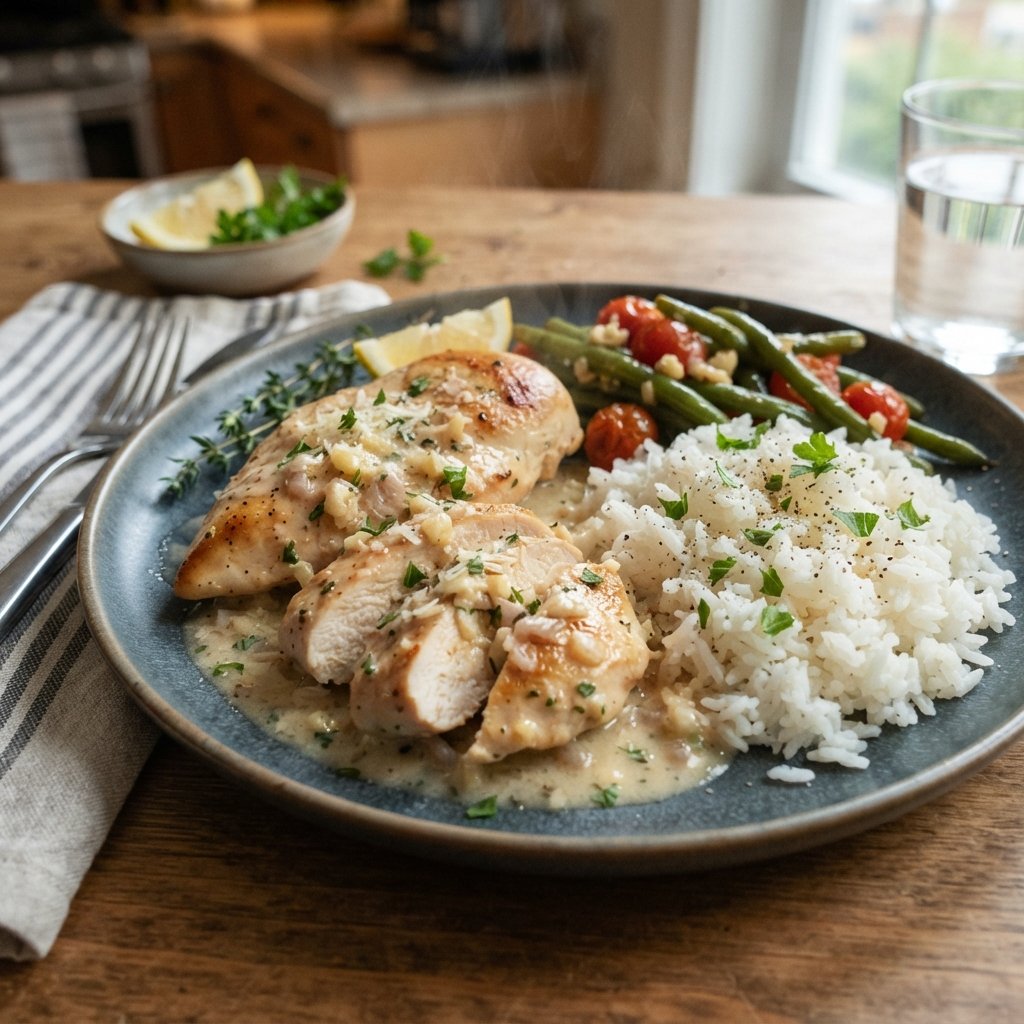
There are few culinary experiences that rival the comfort and satisfaction of a warm, home-cooked meal that brings family and friends together around the table, and Creamy Garlic Chicken with Rice stands as a towering testament to this universal truth. This dish is not merely a combination of protein, starch, and sauce; it is a symphony of textures and flavors that has captivated home cooks and professional chefs alike for decades. The succulent tenderness of perfectly seared chicken breast or thigh, enveloped in a luxuriously rich and aromatic garlic-infused cream sauce, served alongside fluffy, absorbent grains of rice, creates a harmony that appeals to palates across all cultures. Whether you are looking for a quick weeknight dinner solution that does not compromise on quality, or a centerpiece dish for a casual weekend gathering, this recipe delivers consistent, mouth-watering results every single time.
The allure of this dish lies in its simplicity masked by sophistication. On the surface, it requires only a handful of staple ingredients found in most pantries, yet the technique involved in layering the flavors elevates it to restaurant quality. The pungency of fresh garlic is mellowed by the fat in the cream, creating a savory depth that clings to every bite of chicken and every grain of rice. Furthermore, the versatility of this meal allows it to be adapted for various dietary needs without losing its core identity. In this comprehensive guide, we will explore every facet of creating the perfect Creamy Garlic Chicken with Rice, from the historical origins of its components to the nutritional breakdown, ensuring you have the knowledge to master this dish completely.
The History
While Creamy Garlic Chicken with Rice may not have a single, documented date of invention like certain classic French dishes, its lineage is a fascinating tapestry woven from various culinary traditions across the globe. The use of garlic in cooking dates back thousands of years, with evidence suggesting it was used by the ancient Egyptians, Greeks, and Romans not only for flavor but for medicinal purposes. In European cuisine, particularly in French and Italian traditions, the technique of deglazing a pan with cream after searing meat became a hallmark of bistro cooking in the 19th and 20th centuries. This method, known as making a pan sauce, allows the fond—the caramelized bits left behind by the meat—to infuse the sauce with intense flavor.
Rice, on the other hand, has been a staple crop in Asia for over 10,000 years and was introduced to Europe and the Americas through trade routes and colonization. The pairing of protein with rice is a universal concept found in Spanish paella, Indian biryani, and American soul food. The fusion of a European-style cream sauce with a global staple like rice and universally loved chicken represents the modern evolution of comfort food. It reflects the melting pot of contemporary kitchens where boundaries between cuisines are blurred in favor of flavor and convenience. Over the last few decades, as food blogs and cooking shows popularized one-pan meals and quick gourmet solutions, Creamy Garlic Chicken with Rice emerged as a favorite, combining the richness of French sauce techniques with the accessibility of American weeknight dining.
Ingredients Breakdown
To truly master this dish, one must understand the role each ingredient plays in the final composition. It is not enough to simply throw items into a pan; understanding the chemistry and flavor profile of each component allows you to make informed substitutions and adjustments.
The Chicken
The star of the show is undoubtedly the chicken. You can choose between boneless, skinless chicken breasts or chicken thighs. Breasts offer a leaner profile and a uniform shape that cooks evenly, making them ideal for slicing and presentation. However, chicken thighs contain a higher fat content, which translates to more flavor and a juicier texture that is more forgiving if slightly overcooked. For the best sear, ensure the chicken is patting dry before it hits the pan, as moisture is the enemy of browning.
The Garlic
Garlic is the soul of this recipe. Fresh garlic cloves are strictly recommended over powdered garlic for the sauce. When fresh garlic is crushed or minced, it releases an enzyme called alliinase, which converts alliin into allicin, the compound responsible for that distinct aroma and taste. Cooking the garlic gently in butter or oil unlocks its sweetness without turning it bitter. Using too high heat can burn the garlic instantly, so timing is crucial.
The Cream
Heavy cream or heavy whipping cream is preferred for this recipe due to its high fat content, usually around 36% or higher. This fat content prevents the sauce from curdling when heated and provides the velvety mouthfeel that defines the dish. Lighter alternatives like half-and-half can be used, but they require a starch slurry to thicken properly and are more prone to splitting under high heat.
The Rice
Long-grain white rice, such as Basmati or Jasmine, is typically the best choice. These varieties remain fluffy and separate when cooked, allowing them to absorb the sauce without becoming mushy. Short-grain rice tends to be starchier and stickier, which might alter the texture of the dish. Alternatively, brown rice can be used for a nuttier flavor and higher fiber content, though it requires a longer cooking time and more liquid.
Aromatics and Herbs
Parsley is the traditional garnish, providing a fresh, grassy contrast to the rich cream. Thyme and oregano can be added to the sauce for earthy undertones. A splash of white wine or chicken broth deglazes the pan, adding acidity that cuts through the richness of the cream, balancing the overall flavor profile.
Step-by-Step Recipe
Creating this dish is a process of layering flavors. Rushing any step can compromise the texture of the chicken or the consistency of the sauce. Follow this granular guide to ensure perfection.
- Preparation is Key: Before turning on the stove, gather all your ingredients. Mince the garlic finely, chop the parsley, measure out the cream and broth, and rinse the rice until the water runs clear to remove excess starch. Pat the chicken completely dry with paper towels and season generously on both sides with salt and black pepper.
- Cooking the Rice: Start the rice first, as it typically takes the longest. Combine the rice and water or broth in a pot according to package instructions. Bring to a boil, reduce to a simmer, cover, and cook until tender. Once done, remove from heat and let it sit covered to steam.
- Searing the Chicken: Heat a large skillet over medium-high heat and add olive oil or butter. Once the fat is shimmering, place the chicken in the pan. Do not overcrowd the pan; cook in batches if necessary. Sear for 5-7 minutes per side until a golden-brown crust forms and the internal temperature reaches 165°F (74°C). Remove the chicken and set it aside on a plate to rest.
- Building the Aromatics: In the same skillet, do not wipe out the browned bits. Reduce heat to medium and add a bit more butter if needed. Add the minced garlic and sauté for about 1 minute until fragrant. Be vigilant here; garlic goes from golden to burnt in seconds.
- Deglazing the Pan: Pour in the chicken broth or white wine. Use a wooden spoon to scrape up the fond from the bottom of the pan. This step is essential for flavor depth. Allow the liquid to reduce by half.
- Creating the Sauce: Lower the heat to medium-low. Slowly pour in the heavy cream while stirring constantly. Add any dried herbs like thyme or oregano at this stage. Simmer gently for 3-5 minutes until the sauce thickens enough to coat the back of a spoon. Stir in grated Parmesan cheese if desired for extra richness.
- Combining and Serving: Return the chicken to the skillet, spooning the sauce over the top to warm it through. Taste the sauce and adjust seasoning with salt and pepper. Serve the chicken immediately over the bed of fluffy rice, garnished with fresh parsley.
Tips
Even with a straightforward recipe, small nuances can make the difference between a good meal and a great one. Here are expert tips to elevate your Creamy Garlic Chicken with Rice.
- Avoid Curdling: Never boil the cream vigorously once it has been added to the pan. High heat can cause the fats to separate from the liquids, resulting in a grainy sauce. Keep the heat low and gentle.
- Resting the Meat: Allow the chicken to rest for at least 5 minutes after searing and before slicing or serving. This allows the juices to redistribute throughout the meat, ensuring every bite is moist rather than dry.
- Pan Selection: Use a stainless steel or cast-iron skillet for the best sear on the chicken. Non-stick pans are easier to clean but may not develop the same level of caramelization on the meat.
- Garlic Management: If you love garlic but worry about burning it, add half at the beginning of the sauce making and half at the very end. This provides both a cooked, sweet garlic flavor and a pungent, fresh kick.
- Thickening Agents: If your sauce is too thin, mix a teaspoon of cornstarch with a tablespoon of cold water and whisk it into the simmering sauce. If it is too thick, simply add a splash more broth.
- Storage: This dish is best enjoyed fresh, but leftovers can be stored in an airtight container in the refrigerator for up to 3 days. Reheat gently on the stove with a splash of milk to revive the sauce.
Variations and Customizations
One of the greatest strengths of this recipe is its adaptability. You can modify it to suit dietary restrictions, seasonal ingredients, or personal flavor preferences without losing the essence of the dish.
Dairy-Free Version
To make this dish dairy-free, substitute the heavy cream with full-fat coconut milk or a high-quality cashew cream. Coconut milk adds a slight sweetness that pairs well with garlic, while cashew cream provides a neutral, rich base. Use olive oil or vegan butter instead of dairy butter for searing.
Keto and Low-Carb
For those monitoring carbohydrate intake, replace the rice with cauliflower rice or broccoli florets. Cauliflower rice absorbs the sauce beautifully and mimics the texture of grains. Ensure you use full-fat cream and avoid any flour-based thickeners to keep the carb count low.
Spicy Kick
If you prefer heat, add red pepper flakes to the garlic while sautéing, or stir in a teaspoon of sriracha or chili garlic sauce into the cream. Paprika can also be added to the chicken seasoning rub for a smoky heat.
Vegetable Add-Ins
Turn this into a complete one-pan meal by adding vegetables. Spinach or kale can be wilted into the sauce at the end. Sautéed mushrooms, bell peppers, or sun-dried tomatoes complement the garlic cream flavor profile exceptionally well.
Herb Variations
Experiment with different herb profiles. A Tuscan variation might include rosemary and sun-dried tomatoes. An Asian-inspired twist could use ginger, soy sauce, and green onions instead of parsley and thyme.
Health Considerations and Nutritional Value
While this dish is undeniably rich, it can be part of a balanced diet when consumed in moderation and prepared with mindful ingredient choices. Understanding the nutritional breakdown helps you fit it into your lifestyle.
Protein Content: Chicken is an excellent source of lean protein, essential for muscle repair and growth. A standard serving provides a significant portion of the daily recommended intake.
Fat Content: The primary source of fat comes from the cream and the cooking oil. While necessary for satiety and vitamin absorption, those watching calorie intake might opt for light cream or reduce the quantity of sauce per serving.
Carbohydrates: The rice provides the bulk of the carbohydrates in this meal, offering energy. Choosing brown rice or quinoa increases the fiber content, which aids in digestion and helps regulate blood sugar levels.
Sodium Levels: Processed broths and cheeses can be high in sodium. To manage this, use low-sodium chicken broth and control the amount of added salt during seasoning. Fresh herbs can boost flavor without adding salt.
Micronutrients: Garlic offers immune-boosting properties, while parsley provides Vitamin K and Vitamin C. Adding vegetables like spinach increases the iron and vitamin content significantly.
Ingredients
- 4 boneless, skinless chicken breasts or thighs (approx. 1.5 lbs)
- 1 cup long-grain white rice (Basmati or Jasmine)
- 2 cups water or chicken broth (for cooking rice)
- 4 cloves fresh garlic, minced
- 1 cup heavy cream or heavy whipping cream
- 1/2 cup chicken broth (for the sauce)
- 2 tablespoons butter or olive oil
- 1/4 cup grated Parmesan cheese (optional)
- 1 teaspoon dried thyme or oregano
- 1/4 cup fresh parsley, chopped
- Salt and black pepper to taste
- 1 tablespoon lemon juice (optional, for acidity)
Directions
- Rinse the rice under cold water until the water runs clear. Combine rice and 2 cups of water/broth in a pot. Bring to a boil, cover, reduce heat to low, and simmer for 15-18 minutes. Remove from heat and let stand.
- While rice cooks, pat the chicken dry with paper towels. Season both sides generously with salt, pepper, and dried thyme.
- Heat butter or oil in a large skillet over medium-high heat. Add chicken and cook for 6-7 minutes per side until golden brown and cooked through (165°F internal temperature). Remove chicken and set aside.
- Reduce heat to medium. In the same skillet, add minced garlic and sauté for 1 minute until fragrant.
- Pour in 1/2 cup chicken broth to deglaze the pan, scraping up browned bits with a wooden spoon. Simmer for 2 minutes.
- Lower heat to medium-low. Stir in heavy cream and Parmesan cheese. Simmer gently for 3-5 minutes until sauce thickens. Stir in lemon juice if using.
- Return chicken to the pan, coating with sauce. Warm for 1-2 minutes.
- Serve chicken over prepared rice. Drizzle extra sauce over the top and garnish with fresh parsley.
FAQ
Can I use milk instead of heavy cream?
You can use whole milk, but the sauce will be thinner. To compensate, mix 1 tablespoon of cornstarch with 2 tablespoons of cold water and add it to the milk while simmering to achieve a thicker consistency.
Why is my sauce grainy?
This usually happens if the heat was too high, causing the cream to split. Always simmer cream sauces on low heat. If it splits, try whisking vigorously with a little cold water, though prevention is better than cure.
Can I freeze this dish?
Cream-based sauces do not freeze well as they tend to separate upon thawing. It is recommended to eat leftovers within 3 days or freeze the chicken and rice separately without the sauce.
How do I make the rice more flavorful?
Cook the rice in chicken broth instead of water. You can also add a bay leaf or a knob of butter to the rice pot while it cooks.
Is this dish gluten-free?
Yes, provided you use gluten-free chicken broth and ensure no flour is used as a thickener. The natural ingredients listed are gluten-free.
Summary
Creamy Garlic Chicken with Rice is a versatile, comforting dish that combines succulent seared chicken with a rich garlic-infused cream sauce served over fluffy grains. By mastering the technique of deglazing and sauce emulsification, home cooks can create a restaurant-quality meal that is adaptable to various dietary needs and flavor preferences.
This comprehensive guide covers everything from ingredient selection to nutritional value, ensuring you have the tools to perfect this classic recipe for any occasion. Enjoy the process of cooking and the delight of sharing this warm, flavorful masterpiece with your loved ones.