Introduction
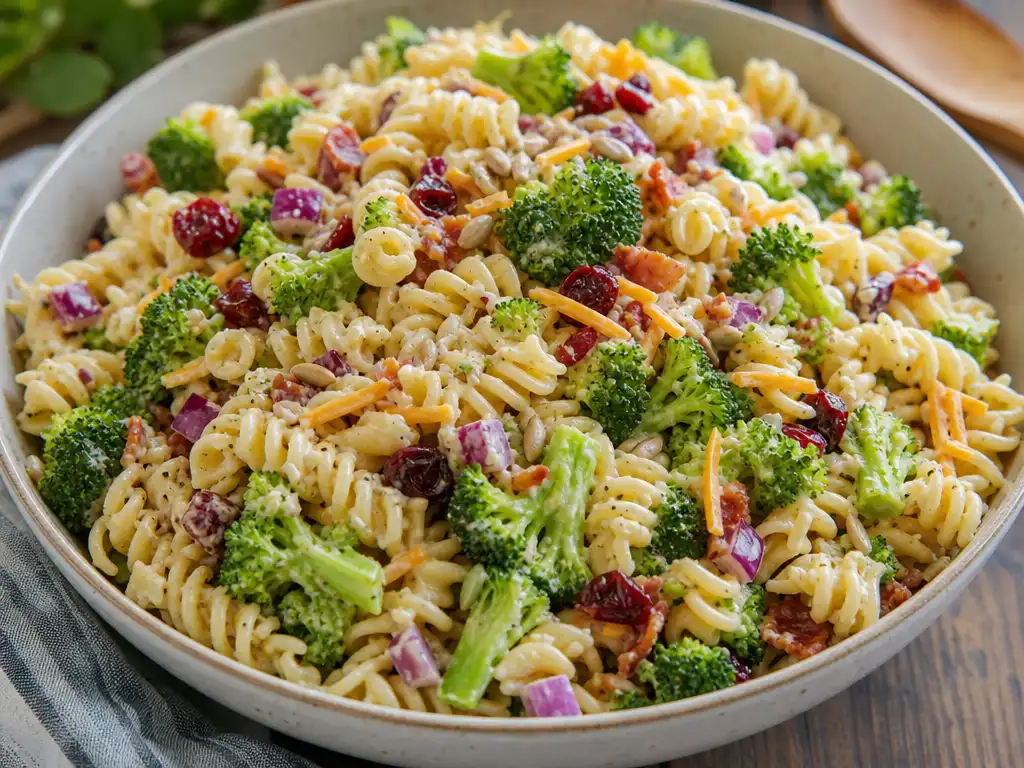
Fresh Broccoli Pasta Salad is a vibrant, nutrient-dense, and refreshingly crisp dish that effortlessly bridges the gap between comfort food and health-conscious eating. Far from the heavy, mayo-laden versions of yesteryear, today’s iteration celebrates seasonal freshness, bold textures, and bright, balanced flavors—making it an ideal centerpiece for picnics, potlucks, weeknight dinners, or meal-prep lunches. Its versatility shines whether served chilled straight from the fridge, tossed with warm pasta for a gentle melding of flavors, or elevated with gourmet add-ins for entertaining. This salad isn’t just a side dish—it’s a celebration of simplicity, crunch, color, and wholesome satisfaction.
The History
Broccoli pasta salad traces its roots to the broader evolution of American cold pasta salads, which gained widespread popularity in the mid-to-late 20th century alongside the rise of convenience cooking, backyard barbecues, and community gatherings. While classic Italian antipasti often featured raw or blanched vegetables with olive oil and lemon, the American adaptation fused those Mediterranean sensibilities with pantry-friendly staples like elbow macaroni, rotini, or fusilli—and introduced broccoli as a nutritional powerhouse alternative to traditional lettuce-based salads. The 1970s and ’80s saw broccoli’s meteoric rise in U.S. kitchens, fueled by emerging nutrition science highlighting its high vitamin C, folate, fiber, and sulforaphane content. By the 1990s, health-conscious home cooks began reimagining pasta salad with lighter dressings (replacing gloppy commercial mayonnaise with Greek yogurt, Dijon vinaigrettes, or lemon-tahini blends) and generous portions of raw or lightly cooked broccoli florets. Today, Fresh Broccoli Pasta Salad reflects a global culinary convergence—drawing inspiration from Middle Eastern za’atar-spiced variations, Asian sesame-ginger twists, and farm-to-table emphasis on locally sourced, organic produce—while remaining deeply rooted in accessible, family-friendly tradition.
Ingredients Breakdown
Every exceptional Fresh Broccoli Pasta Salad begins with intentionality—selecting ingredients not only for flavor synergy but also for texture contrast, visual appeal, and nutritional synergy. Below is a detailed, chef-informed breakdown of each core component:
- Pasta: Short, ridged shapes like tri-color rotini, whole wheat fusilli, or chickpea-based penne provide optimal nook-and-cranny surface area for dressing adhesion and structural integrity when chilled. Whole grain or legume-based pastas boost fiber, protein, and complex carbohydrates while maintaining al dente resilience.
- Broccoli: Use fresh, deep green, tightly clustered florets with firm, purplish-green stems—avoid yellowing or limp stalks. Both florets and tender inner stems (peeled and julienned) contribute crunch, earthy-sweet nuance, and sulforaphane—a potent phytochemical activated by chopping or chewing raw broccoli.
- Red Onion: Thinly sliced and quick-pickled (in vinegar + pinch of sugar/salt) for mellower heat, brighter acidity, and beautiful magenta hue—essential for balancing richness and adding aromatic depth.
- Cherry Tomatoes: Heirloom varieties (sun gold, black cherry) offer bursts of sweetness and acidity; halved or quartered to release juices that subtly enrich the dressing.
- Cucumber: English or Persian cucumber, unpeeled and finely diced, contributes cool hydration and subtle bitterness that cuts through richness—seeds removed if watery.
- Crunch Elements: Toasted slivered almonds, sunflower seeds, or pepitas lend nutty richness and essential healthy fats; for indulgence, crumbled roasted chickpeas or crispy capers add umami and textural excitement.
- Fresh Herbs: A generous handful of chopped dill (classic), flat-leaf parsley (bright and clean), or mint (unexpectedly refreshing) adds aromatic lift and polyphenol diversity.
- Cheese (optional but recommended): Crumbled feta (tangy & salty), shaved pecorino (nutty & sharp), or creamy goat cheese (mild & velvety) provides savory complexity and calcium—opt for artisanal, minimally processed varieties.
- Dressing Base: Extra-virgin olive oil (fruity, peppery notes preferred), freshly squeezed lemon juice (not bottled—brightness is non-negotiable), Dijon mustard (emulsifier + depth), raw honey or maple syrup (subtle sweetness to round acidity), minced garlic (raw for punch, roasted for mellow sweetness), and fine sea salt & cracked black pepper.
Each ingredient plays a purpose—not merely filler, but functional flavor, texture, or nutrition. Even the water used to cook pasta (reserved at ½ cup) becomes a secret weapon: starchy, seasoned, and perfect for adjusting dressing consistency without dilution.
Step-by-Step Recipe
- Prep the Broccoli (Key Step for Texture & Nutrition): Rinse florets thoroughly under cold water. Pat *completely dry* with clean kitchen towels—moisture is the enemy of dressing adhesion. Using a sharp knife, trim tough stem ends. Peel the outer fibrous layer from thicker stems, then julienne into matchstick-thin pieces (they’ll mimic the pasta’s shape and add surprising crunch). Toss florets and julienned stems with 1 tsp lemon juice and a pinch of salt; let sit 5–8 minutes—this softens harshness slightly while preserving maximum crunch and enzymatic activity.
- Cook Pasta Perfectly: Bring 4–6 quarts well-salted water (2 tbsp kosher salt per gallon) to a vigorous boil. Add pasta and stir immediately. Cook 1–2 minutes *less* than package’s “al dente” time—pasta will continue to absorb dressing and soften slightly in the fridge. Drain *immediately*, reserving ½ cup starchy cooking water. Rinse under cold running water for 15 seconds *only* to halt cooking—do not soak, or you’ll wash away starch needed for emulsion. Drain thoroughly in a colander; shake vigorously to remove excess water. Transfer to a large, wide bowl.
- Quick-Pickle the Red Onion: While pasta cooks, combine ¼ cup apple cider vinegar, 1 tsp honey/maple syrup, ¼ tsp fine sea salt, and 2 thin slices red onion in a small bowl. Stir and let sit 10–15 minutes until onions soften and blush pink. Drain, reserving liquid to boost dressing tang if desired.
- Make the Dressing (Emulsify Like a Pro): In a blender or mini food processor, combine ⅓ cup extra-virgin olive oil, 3 tbsp fresh lemon juice, 1½ tsp Dijon mustard, 1 small garlic clove (smashed), 1 tsp honey/maple syrup, ½ tsp fine sea salt, and ¼ tsp freshly ground black pepper. Blend on high for 30–45 seconds until thick, glossy, and fully emulsified. Taste and adjust: more lemon for brightness, honey for balance, salt for depth. Optional: add 1 tsp grated lemon zest at the end for aromatic intensity.
- Combine with Care: To the cooled pasta, add drained broccoli (including any accumulated juices), pickled red onion (squeezed gently to remove excess vinegar), halved cherry tomatoes, diced cucumber, toasted nuts/seeds, and fresh herbs. Gently fold with a silicone spatula or large spoon—never stir aggressively, which bruises delicate ingredients.
- Dress & Rest: Pour ¾ of the dressing over the mixture. Fold gently to coat evenly. Cover and refrigerate *uncovered* for 15 minutes—this allows initial chilling without trapping steam. Then cover tightly and chill for *minimum 2 hours*, preferably 4–6 hours or overnight. This rest period is non-negotiable: it lets pasta absorb flavor, broccoli mellow slightly, and dressing components harmonize.
- Final Touches Before Serving: Remove from fridge 15 minutes before serving. Stir in reserved dressing (start with remaining ¼), adding up to 2 tbsp reserved pasta water if too thick. Adjust seasoning—often needs an extra pinch of salt or squeeze of lemon. Fold in cheese *just before serving* to prevent clumping or greasiness. Garnish generously with extra herbs, lemon zest, and a drizzle of high-quality olive oil.
Tips
- Never Skip the Broccoli Prep: Light salting and lemon “massage” draws out excess moisture and enhances natural sweetness—critical for preventing a soggy salad.
- Toast Your Nuts & Seeds: Do this in a dry skillet over medium-low heat for 3–5 minutes, shaking constantly, until fragrant and golden. Cool completely before adding—warm nuts will wilt herbs and melt cheese.
- Resist Over-Dressing: Start with ¾ of the dressing. Pasta absorbs liquid over time—adding all at once leads to overdressed, greasy results. You can always add more after chilling.
- Chill Smart: Use a shallow, wide container (not a deep bowl) for even, rapid chilling. Stir once halfway through the first hour to redistribute dressing and prevent settling.
- Herb Timing Matters: Delicate herbs like dill, parsley, and mint lose vibrancy if added too early. Stir in half before chilling and reserve the rest for final garnish.
- Acid Is Your Friend: If salad tastes flat after chilling, don’t reach for more salt—add a splash of fresh lemon juice or vinegar. Acidity lifts and refreshes every other flavor.
- Pasta Water Is Liquid Gold: That starchy, salty liquid binds oil and acid seamlessly. Keep it on hand—it’s the secret to creamy, cohesive dressing without heaviness.
- Texture Contrast Is Key: Aim for at least three distinct textures: tender-chewy (pasta), crisp-juicy (broccoli/cucumber/tomato), and crunchy (nuts/seeds). Missing one makes the salad feel monotonous.
- Season in Layers: Salt the pasta water generously, season the broccoli, salt the dressing, and finish with flaky sea salt. Each layer builds dimension.
- Make Ahead? Absolutely—But Strategically: Assemble everything except cheese, herbs, and delicate veggies (like avocado or arugula) up to 2 days ahead. Add those within 2 hours of serving for peak freshness.
Variations and Customizations
This recipe is a living canvas—adaptable to seasons, dietary needs, global palates, and pantry whims. Here are thoughtfully curated, tested variations:
- Mediterranean Twist: Swap lemon dressing for a blend of lemon zest, 2 tbsp chopped kalamata olives, 1 tbsp capers, ¼ cup crumbled feta, 2 tbsp chopped sun-dried tomatoes (oil-packed, patted dry), and 1 tsp dried oregano. Add sliced roasted red peppers and fresh basil.
- Asian Sesame-Ginger: Replace dressing with 3 tbsp toasted sesame oil, 2 tbsp rice vinegar, 1 tbsp low-sodium tamari, 1 tbsp fresh grated ginger, 1 tsp toasted sesame seeds, 1 tsp honey, and 1 minced scallion (white + green). Add edamame, shredded carrots, mandarin orange segments, and cilantro. Top with crushed wasabi peas.
- Southwest Fiesta: Use lime-cilantro dressing (lime juice, olive oil, minced jalapeño, garlic, cumin, smoked paprika, honey). Fold in black beans, corn (grilled or roasted), diced avocado (add last minute), pickled red onion, and crumbled cotija. Garnish with crushed tortilla chips and fresh cilantro.
- Vegan Powerhouse: Omit cheese; boost protein with 1 cup cooked quinoa or lentils, ½ cup hemp hearts, and ¼ cup nutritional yeast (for cheesy umami). Use maple syrup instead of honey. Add massaged kale ribbons for extra greens.
- Kid-Friendly Mild: Blanch broccoli florets for 60 seconds in boiling water, then shock in ice water—softens flavor and texture. Use mild cheddar or mozzarella instead of feta. Sweeten dressing with extra honey and add diced apples or grapes for natural sweetness.
- Low-Carb/Zoodle Version: Replace pasta entirely with spiralized zucchini or broccoli stems (use a spiralizer on “spaghetti” setting). Sauté zoodles 1–2 minutes until just tender-crisp, then cool completely before assembling. Increase nuts/seeds and cheese for satiety.
- Breakfast Pasta Salad: Use whole wheat or lentil pasta, add hard-boiled eggs (quartered), cherry tomatoes, spinach ribbons, and a dill-yogurt dressing. Sprinkle with everything bagel seasoning.
- Gourmet Dinner Party: Elevate with farro or freekeh instead of pasta, roasted delicata squash cubes, pomegranate arils, crumbled aged gouda, and a pomegranate molasses–infused dressing. Finish with microgreens and edible flowers.
Health Considerations and Nutritional Value
Fresh Broccoli Pasta Salad stands out as a nutritionally intelligent dish—thoughtfully constructed to deliver synergistic benefits far exceeding the sum of its parts. A standard 1-cup serving (made with whole wheat rotini, 1 cup raw broccoli, 1 tbsp olive oil, ¼ cup cherry tomatoes, 2 tbsp red onion, 1 tbsp almonds, and lemon-Dijon dressing) offers approximately:
- Calories: ~240–280 kcal (moderate energy density, highly satiating)
- Protein: 8–10g (from whole grain pasta, broccoli, nuts, optional cheese—supports muscle maintenance and prolonged fullness)
- Fiber: 6–8g (nearly 30% of daily needs—primarily insoluble from broccoli and whole grains, promoting digestive regularity and gut microbiome diversity)
- Healthy Fats: 12–15g (predominantly monounsaturated from EVOO and almonds—supports heart health, nutrient absorption, and anti-inflammatory pathways)
- Vitamins & Minerals: Exceptionally rich in Vitamin C (120% DV from broccoli + lemon), Vitamin K (200%+ DV—crucial for bone metabolism and blood clotting), Folate (40% DV—vital for cellular repair and prenatal health), Potassium (25% DV—balances sodium, supports nerve function), and Calcium (15–20% DV with cheese or fortified alternatives).
- Phytonutrients: Sulforaphane (in broccoli)—a potent inducer of Phase II detoxification enzymes with robust research linking it to reduced cancer risk, neuroprotection, and antioxidant defense. Quercetin (in red onion, capers), lycopene (in tomatoes), and lignans (in flax/chia seeds, if added) further amplify antioxidant capacity.
Dietary Adaptability: Naturally vegetarian and easily made vegan (omit cheese, use plant-based alternatives). Gluten-free with certified GF pasta (brown rice, quinoa, or corn-based). Low-FODMAP option: omit onion/garlic, use garlic-infused oil, swap broccoli for bok choy or green beans (in limited quantities), and choose low-FODMAP pasta (rice or quinoa). Diabetic-friendly due to low glycemic load (fiber + fat + acid slow glucose absorption). Nut-free versions use toasted pumpkin or sunflower seeds.
Important Considerations: While overwhelmingly beneficial, those on blood-thinning medications (e.g., warfarin) should maintain consistent Vitamin K intake—broccoli’s high K content means portion stability matters more than avoidance. Individuals with IBS may find raw broccoli challenging; light blanching or fermenting (e.g., sauerkraut-style broccoli) improves tolerance. Always choose organic broccoli when possible to minimize pesticide residue (broccoli ranks #33 on EWG’s Dirty Dozen—but its dense florets trap more residue than smooth-skinned produce).
Ingredients
- 12 oz (340g) short whole-grain pasta (rotini, fusilli, or chickpea penne)
- 1 large head fresh broccoli (about 1 lb / 450g), florets and tender inner stems finely chopped
- ½ medium red onion, very thinly sliced
- 1 cup (150g) cherry or grape tomatoes, halved
- 1 medium English cucumber (about 8 oz / 225g), peeled if desired, seeded, and finely diced
- ⅓ cup (45g) raw slivered almonds or sunflower seeds
- ¼ cup (15g) fresh dill, finely chopped (plus extra for garnish)
- ¼ cup (15g) fresh flat-leaf parsley, finely chopped
- ⅓ cup (50g) crumbled feta cheese (or goat cheese, pecorino, or omit for vegan)
For the Lemon-Dijon Dressing:
- ⅓ cup (80ml) extra-virgin olive oil
- 3 tbsp (45ml) freshly squeezed lemon juice (about 1½ lemons)
- 1½ tsp Dijon mustard
- 1 tsp raw honey or pure maple syrup
- 1 small garlic clove, minced or pressed
- ½ tsp fine sea salt (plus more to taste)
- ¼ tsp freshly ground black pepper
- 1 tsp lemon zest (optional, for brightness)
For Quick-Pickled Red Onion (optional but recommended):
- ¼ cup (60ml) apple cider vinegar
- 1 tsp honey or maple syrup
- ¼ tsp fine sea salt
- 2 thin slices red onion
Directions
- Prepare quick-pickled red onion: In a small bowl, combine vinegar, honey, and salt. Add onion slices and stir. Let sit at room temperature for 10–15 minutes. Drain, reserving liquid. Squeeze onion gently to remove excess vinegar; set aside.
- Bring a large pot of water to a rolling boil. Add 2 tablespoons kosher salt. Add pasta and cook, stirring occasionally, until 1–2 minutes shy of al dente (check package; usually 8–9 minutes). Reserve ½ cup starchy cooking water, then drain pasta in a colander. Rinse under cold water for 15 seconds only, then shake vigorously to remove excess moisture. Transfer to a large, wide mixing bowl.
- While pasta cooks, prepare broccoli: Rinse florets and stems. Pat *very dry*. Chop florets into bite-sized pieces and peel, then julienne inner stems. Place in a medium bowl, toss with 1 tsp lemon juice and a pinch of salt. Let sit 5–8 minutes. Drain any liquid that accumulates.
- Make dressing: In a blender or food processor, combine olive oil, lemon juice, Dijon, honey, garlic, salt, pepper, and lemon zest (if using). Blend on high for 30–45 seconds until smooth, creamy, and emulsified. Taste and adjust seasoning.
- Add prepared broccoli (including any juices), pickled red onion, tomatoes, cucumber, toasted almonds/seeds, dill, and parsley to the pasta. Gently fold with a silicone spatula until evenly distributed.
- Pour ¾ of the dressing over the mixture. Fold gently to coat. Cover bowl loosely with a clean kitchen towel and refrigerate for 15 minutes.
- After 15 minutes, cover tightly with plastic wrap or a lid. Refrigerate for at least 2 hours—or ideally, 4–6 hours or overnight—for flavors to meld and textures to harmonize.
- Before serving, remove from fridge 15 minutes prior. Stir in remaining dressing. If too thick, add 1–2 tbsp reserved pasta water. Taste and adjust with extra salt, lemon juice, or pepper.
- Fold in feta cheese *just before serving*. Garnish generously with extra fresh dill, lemon zest, a drizzle of olive oil, and a crack of black pepper.
- Serve chilled or at cool room temperature. Store leftovers in an airtight container in the refrigerator for up to 5 days (cheese may soften; stir well before serving).
FAQ
- Can I make this salad ahead of time?
- Absolutely—and it’s highly recommended! The flavors deepen and textures improve with chilling. Prepare the full salad (without cheese and delicate herbs) up to 2 days in advance. Add cheese, fresh herbs, and a final drizzle of olive oil within 2 hours of serving for optimal freshness and texture.
- Why does my broccoli pasta salad get watery?
- Excess moisture typically comes from three sources: (1) Not drying broccoli thoroughly after washing—always pat dry with towels; (2) Not draining pickled onions well enough—squeeze gently before adding; (3) Overcooking pasta or rinsing too long, which breaks down starch and releases water. Also, avoid adding cucumbers or tomatoes with wet skins—pat them dry first.
- Can I freeze broccoli pasta salad?
- Not recommended. Freezing causes pasta to become mushy and broccoli to turn limp and discolored upon thawing. The delicate herbs and fresh vegetables also suffer significant texture and flavor loss. This salad is best enjoyed fresh or refrigerated.
- What’s the best pasta to use?
- Short, textured shapes hold dressing best: rotini, fusilli, farfalle, or campanelle. Whole grain, legume-based (chickpea, lentil), or brown rice pasta add fiber and protein. Avoid delicate pastas like angel hair or spaghetti—they tangle and don’t hold up to chilling.
- My salad tastes bland—what went wrong?
- Blandness almost always points to under-seasoning. Ensure your pasta water is well-salted (it should taste like seawater), season the broccoli lightly before mixing, and taste the dressing *before* adding it—adjust salt, acid, and sweetness. Often, a final sprinkle of flaky sea salt and fresh lemon juice right before serving revives it instantly.
- How do I keep the broccoli crisp?
- Do not blanch unless you prefer softer texture. Raw, well-dried broccoli stays remarkably crisp for 3–4 days when properly dressed and chilled. The light salting step draws out surface moisture without wilting. Also, avoid adding acidic elements (lemon juice, vinegar) directly to raw broccoli more than 30 minutes before serving—dressing it *after* combining with pasta protects it.
- Is broccoli better raw or cooked in pasta salad?
- Raw broccoli delivers maximum sulforaphane, crunch, and vitamin C—but some find it too assertive. For a middle ground, blanch florets for 60 seconds, then shock in ice water. This tames bitterness, preserves bright green color, and retains most nutrients while improving digestibility. Never steam or boil longer—nutrient loss accelerates rapidly.
- Can I use frozen broccoli?
- Fresh is strongly preferred for texture and flavor. Frozen broccoli is pre-blanched and high in water content—when thawed, it becomes soggy and releases liquid into the salad. If absolutely necessary, thaw completely, squeeze *extremely* dry in a clean towel, and use only the florets (discard stem pieces).
- How long does it last in the fridge?
- Properly stored in an airtight container, Fresh Broccoli Pasta Salad stays delicious for 4–5 days. After Day 3, the broccoli may soften slightly (still safe, but less crisp), and herbs will fade. Stir well before each serving and add a fresh squeeze of lemon if needed.
- Can I double or triple this recipe?
- Yes—with caveats. When scaling up, cook pasta in batches to avoid crowding (which causes sticking). Chill components separately before combining if making >4 servings—this prevents uneven cooling and ensures broccoli stays crisp. Double the dressing, but add it incrementally (¾ first, then adjust) to avoid overdressing.
Summary
Fresh Broccoli Pasta Salad is a masterclass in vibrant, health-forward cooking—where crisp, enzyme-rich raw broccoli meets toothsome whole-grain pasta, bright lemon-Dijon dressing, and layers of texture and global-inspired flavor.
It’s endlessly adaptable, nutritionally profound, meal-prep friendly, and guaranteed to transform how you think about “salad”—proving that nourishment and delight are never mutually exclusive.