Introduction
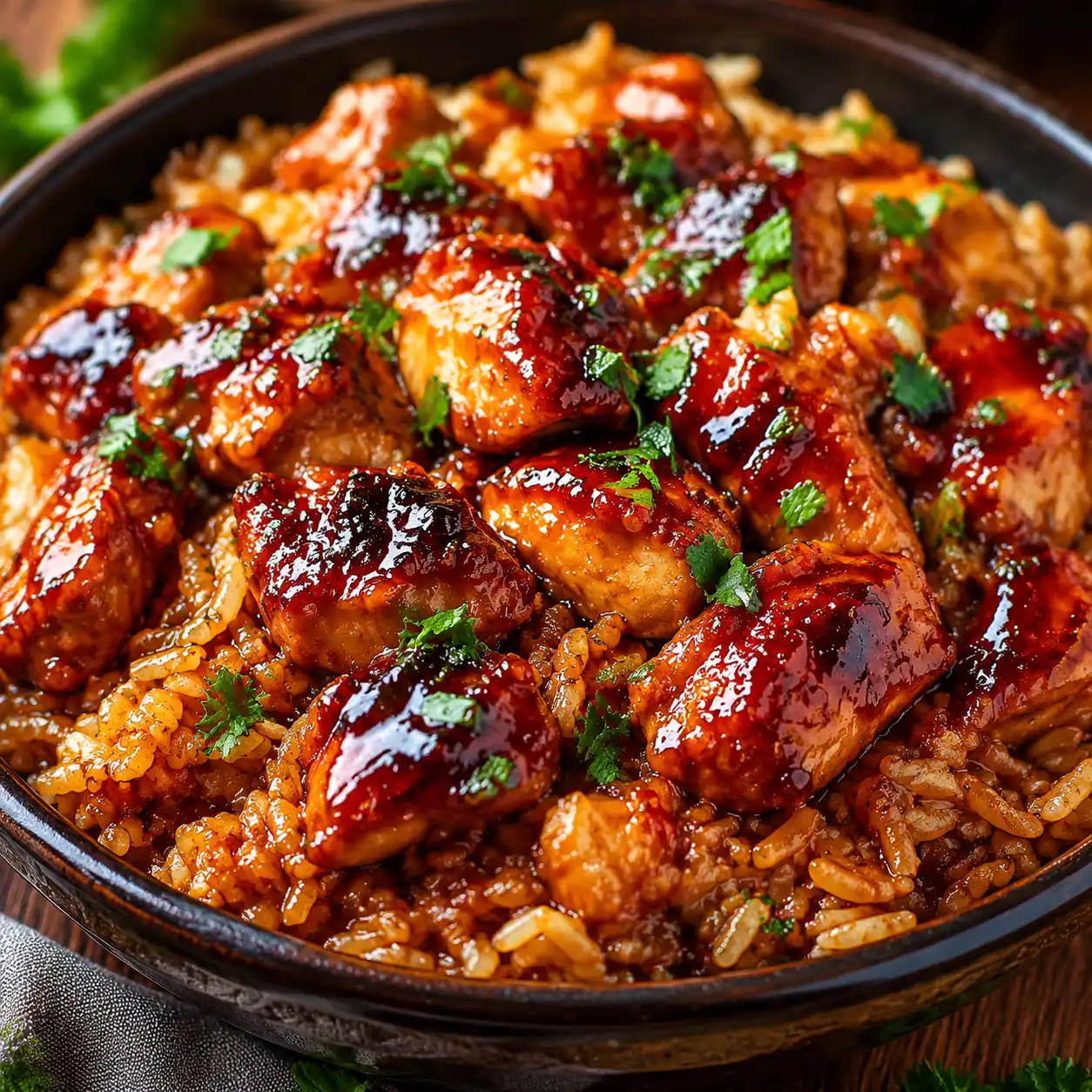
Imagine tender, juicy chicken glazed in a rich, glossy honey BBQ sauce—sweet, smoky, tangy, and deeply savory—nestled atop a generous mound of perfectly steamed jasmine rice, crowned with toasted sesame seeds, fresh green onions, and a whisper of chili oil for brightness. Honey BBQ Chicken Rice isn’t just a meal—it’s a soul-soothing embrace on a plate. This dish transcends simple weeknight dinner status to become an irresistible comfort classic: deeply flavorful, effortlessly satisfying, and endlessly adaptable. Whether you’re coming home after a long day, feeding a hungry family, or impressing guests with minimal effort and maximum impact, this dish delivers warmth, nostalgia, and bold umami depth in every bite. Its magic lies in the harmony of contrasting yet complementary elements—the sticky-sweet luster of honey, the slow-building smokiness of quality BBQ sauce, the subtle char from pan-searing or grilling, and the clean, floral neutrality of fragrant rice that acts as the perfect canvas. More than just delicious, it’s emotionally resonant—evoking backyard cookouts, childhood lunchboxes reimagined, and the quiet joy of a meal that feels both indulgent and wholly nourishing.
The History
While no single origin story defines Honey BBQ Chicken Rice, its roots are a vibrant tapestry woven from multiple culinary traditions converging over decades. Barbecue itself traces back centuries—to Indigenous smoking techniques in the Americas, African preservation methods, and colonial adaptations—but the modern American “BBQ sauce” as we know it began crystallizing in the early 20th century, particularly in Kansas City and Memphis, where tomato-based, molasses- or brown sugar–sweetened sauces became regional signatures. The intentional marriage of honey with BBQ sauce gained momentum in the 1950s and ’60s, as home cooks and commercial brands (like Kraft and Sweet Baby Ray’s) recognized honey’s superior caramelization properties, natural preservative qualities, and clean sweetness—making it a preferred alternative to refined sugars in both glazes and marinades. Meanwhile, rice-based protein bowls surged globally: Japanese donburi culture (think oyakodon or unadon) emphasized warm rice as the structural heart of a meal; Korean bibimbap showcased vibrant toppings over rice; and Southeast Asian street food elevated grilled meats served over jasmine or coconut rice. Honey BBQ Chicken Rice emerged organically at this crossroads—likely first in North American home kitchens and diner menus in the 1980s and ’90s—where busy parents sought fast, crowd-pleasing meals that felt homemade, hearty, and restaurant-worthy. It was further popularized by food blogs in the 2000s, meal-prep influencers in the 2010s, and viral TikTok recipes in the 2020s—each iteration refining technique, emphasizing glossy glaze texture, and celebrating its role as the ultimate “refrigerator-cleanout” canvas. Today, it stands not as a relic, but as a living, evolving comfort staple—honoring tradition while boldly inviting global flavors, dietary adaptations, and personal storytelling with every spoonful.
Ingredients Breakdown
Every extraordinary Honey BBQ Chicken Rice begins with intentionality—not just in quantity, but in *quality* and *purpose*. Below is a meticulous, chef-level breakdown of each component and why it matters:
- Chicken Breast or Thighs (1.25 lbs): Boneless, skinless thighs are our top recommendation—not for compromise, but for triumph. Their higher fat content renders them impossibly tender, forgiving during cooking, and deeply receptive to marinade absorption. Breasts work beautifully when brined or pounded evenly—but thighs deliver unmatched succulence and juiciness, especially under high-heat searing or grilling.
- Raw, Unfiltered Local Honey (½ cup): Not just sweetener—this is your flavor anchor and textural architect. Raw honey contains natural enzymes and floral notes that caramelize into complex, almost buttery depth. Its viscosity creates the signature cling and lacquer-like sheen. Avoid pasteurized, ultra-filtered supermarket honey; seek varietal honeys like orange blossom, wildflower, or tupelo for nuanced aroma.
- Small-Batch, Smoky BBQ Sauce (¾ cup): Go beyond bottled basics. Opt for a Kansas City–style sauce (tomato-forward, balanced sweet-tart-smoke) or a Carolina mustard-based version for brightness. Key markers of excellence: real smoked paprika or chipotle, blackstrap molasses (not corn syrup), apple cider vinegar for acidity, and minimal fillers. Taste it straight—you should crave it.
- Fresh Garlic (4 cloves, finely minced): Raw garlic provides pungent, aromatic backbone. Minced—not pressed—retains texture and releases allicin gradually for layered heat. Roasted garlic can be swirled in at the end for mellow sweetness if desired.
- Fresh Ginger (1 tbsp, grated on microplane): Adds bright, citrusy warmth and enzymatic tenderness to the marinade. Microplaning ensures full infusion without fibrous bits.
- Low-Sodium Soy Sauce (3 tbsp): Umami bomb and salt control in one. Tamari or coconut aminos offer gluten-free or soy-free alternatives without sacrificing depth.
- Rice Vinegar (1 tbsp): The secret pH balancer—brightens sweetness, cuts richness, and enhances overall flavor perception without tasting “vinegary.”
- Sesame Oil (1 tsp, toasted): Added *at the end* of cooking or as finishing oil—its intense nuttiness elevates the entire aromatic profile. Never cook with it—heat destroys its delicate compounds.
- Neutral High-Heat Oil (2 tbsp): Avocado, grapeseed, or refined peanut oil—essential for achieving golden, crackling sear on chicken without burning.
- Jasmine Rice (2 cups uncooked, rinsed): Fragrant, slightly sticky, and subtly floral—its delicate perfume harmonizes with bold BBQ without competing. Rinsing removes excess starch for ideal fluffy-yet-cohesive grains.
- Garnishes (Non-Negotiable for Texture & Balance): Thinly sliced scallions (green + white parts), toasted white sesame seeds, crushed roasted peanuts or cashews, pickled red onions, and a drizzle of chili crisp or gochujang-infused oil for luxurious heat.
Step-by-Step Recipe
- Marinate with Purpose (Minimum 30 minutes, ideally 2–4 hours or overnight): In a non-reactive bowl, whisk together honey, BBQ sauce, minced garlic, grated ginger, soy sauce, rice vinegar, and 1 tsp neutral oil. Add chicken pieces, turning to coat thoroughly. Cover and refrigerate. *Pro Tip:* For deeper penetration, score chicken thighs lightly with a knife before marinating.
- Prepare the Rice First (Timing is Everything): Rinse jasmine rice in cold water until water runs clear (3–4 rinses). Combine with 2.5 cups water and a pinch of salt in a rice cooker or heavy-bottomed pot. Cook per instructions (typically simmer covered 15 mins, then rest 10 mins off heat). Fluff gently with fork—do not stir vigorously.
- Sear for Maillard Magic (The Foundation of Flavor): Remove chicken from marinade (reserve marinade!). Pat *extremely dry* with paper towels—this is critical for browning, not steaming. Heat neutral oil in large stainless steel or cast-iron skillet over medium-high until shimmering. Sear chicken undisturbed 4–5 mins per side until deeply golden and caramelized. Transfer to plate; tent loosely with foil.
- Build the Glaze (Reduce, Reduce, Reduce): Pour reserved marinade into same hot skillet. Bring to vigorous simmer. Cook 4–6 minutes, stirring occasionally, until thickened to a syrupy, coat-the-back-of-a-spoon consistency (~⅓ reduction). Watch closely—honey burns easily. Optional: Whisk in 1 tsp butter for velvety richness.
- Glaze & Finish (The Irresistible Shine): Return seared chicken to skillet. Spoon hot glaze over each piece. Reduce heat to low. Simmer gently 2–3 minutes, turning once, allowing glaze to adhere, bubble, and deepen in color. Chicken should reach 165°F internally. Remove from heat.
- Rest & Slice (Juice Retention is Non-Negotiable): Let chicken rest 5 minutes on cutting board. Slice against the grain into ½-inch thick strips—this shortens muscle fibers for maximum tenderness.
- Assemble with Intention (Layering Matters): Scoop 1.5 cups hot jasmine rice into wide, shallow bowl. Arrange sliced chicken artfully across center. Generously spoon remaining glaze over top. Garnish lavishly: scallions, sesame seeds, crushed nuts, pickled onions, and final flourish of toasted sesame oil and chili crisp.
Tips
- The Dry Pat is Your Secret Weapon: Moisture is the enemy of sear. Pat chicken *twice*—once before marinating (to help marinade adhere), and again—*thoroughly*—before cooking. Use fresh paper towels and press firmly.
- Reserve & Reduce, Don’t Reuse: Never pour raw marinade back on cooked chicken. Always reserve a portion *before* adding raw meat—or boil used marinade for 3+ minutes to kill bacteria before reducing.
- Low-and-Slow Glazing Wins: If glaze bubbles too violently, pull skillet off heat for 10 seconds, stir, then return. Gentle reduction preserves honey’s floral notes and prevents bitter caramelization.
- Rice Texture Mastery: For extra-fluffy rice, add 1 tsp rice vinegar and ½ tsp salt to cooking water. For creamy texture, stir in 1 tsp coconut milk after fluffing.
- Slice Against the Grain—Always: Identify the direction of muscle fibers on cooked chicken and cut perpendicular. This ensures melt-in-your-mouth tenderness, especially crucial for breast meat.
- Garnish Warm, Not Cold: Add scallions and sesame seeds *just before serving*. Their freshness and crunch are compromised if added too early.
- Double the Glaze for Meal Prep: Make 1.5x the glaze recipe—use half for cooking, freeze the rest in ice cube trays for instant flavor boosts in stir-fries, roasted veggies, or salad dressings.
- Skillet Choice Matters: Stainless steel gives superior sear and fond for glaze; cast iron holds heat evenly; non-stick makes cleanup easy but limits browning depth.
Variations and Customizations
This recipe is a masterclass in adaptability—designed to honor dietary needs, cultural preferences, pantry constraints, and pure creative whimsy:
- Global Twists: Swap BBQ sauce for Korean gochujang + honey + rice vinegar; Thai tamarind paste + palm sugar + fish sauce; or Jamaican jerk marinade + honey + allspice. Serve over coconut rice or forbidden black rice.
- Grill Master Edition: Skewer marinated chicken (soak wooden skewers!) and grill over medium charcoal. Baste in final 2 minutes with reserved glaze. Add grilled pineapple or zucchini ribbons.
- Bowl Brilliance: Transform into a deconstructed grain bowl: base of brown rice or quinoa, topped with sliced chicken, quick-pickled cucumbers, edamame, shredded purple cabbage, and wasabi-mayo drizzle.
- Vegetarian/Vegan Victory: Replace chicken with extra-firm tofu (pressed 30 mins), king oyster mushrooms (sliced thick, marinated same way), or seitan. Use maple syrup or date syrup instead of honey; tamari instead of soy; vegan BBQ sauce.
- Low-Carb/Keto Friendly: Serve glazed chicken over riced cauliflower (steamed and sautéed with ghee), shirataki noodles, or a bed of massaged kale and roasted Brussels sprouts.
- Breakfast Reinvention: Top fried or poached eggs and avocado slices over warm rice and chicken. Drizzle with sriracha-honey blend.
- Spice Spectrum: Control heat precisely: add gochugaru (Korean chili flakes) to marinade, swirl in harissa, infuse glaze with habanero, or finish with cooling cucumber-yogurt raita.
- Meal-Prep Pro: Cook chicken and glaze separately. Store rice chilled (reheat with splash of water in microwave). Assemble bowls cold or warm—glaze reheats beautifully and clings even after refrigeration.
Health Considerations and Nutritional Value
Far from being “just comfort food,” Honey BBQ Chicken Rice can be a nutritionally intelligent, balanced, and mindful meal—when approached with awareness and small, impactful tweaks:
- Protein Powerhouse: Chicken thighs provide complete protein (≈25g per 4oz serving), plus essential B vitamins (B6, B12, niacin), selenium, and zinc—supporting immunity, metabolism, and cellular repair. Opting for organic, pasture-raised enhances omega-3 content.
- Honey: Nature’s Functional Sweetener: Raw honey contains antioxidants (quercetin, phenolic acids), prebiotic oligosaccharides that feed gut bifidobacteria, and hydrogen peroxide for natural antimicrobial activity. Its lower glycemic index vs. table sugar means gentler blood sugar impact—especially when paired with fiber-rich rice and protein.
- Rice Reimagined: Jasmine rice offers B vitamins and manganese, but pairing it with beans, lentils, or leafy greens dramatically boosts fiber and micronutrients. Try 50/50 jasmine + black rice for anthocyanins and iron—or add 1 tbsp ground flaxseed to cooked rice for omega-3s.
- Sodium Savvy: Most commercial BBQ sauces are sodium-dense. Reduce sodium by 30–50% using low-sodium soy sauce, unsalted tomato paste base, or making your own sauce with apple cider vinegar, smoked paprika, and date paste.
- Sugar Consciousness: While honey is natural, it’s still sugar. Keep portions balanced: 1.5 tbsp honey per serving (vs. 3+ tbsp in many recipes) and rely on spices (cumin, cinnamon, star anise) for complexity instead of excess sweetness.
- Fat Quality Focus: Toasted sesame oil provides heart-healthy monounsaturated fats and sesamin lignans shown to support healthy cholesterol levels. Use it *finishing*, not cooking, to preserve nutrients.
- Gut-Friendly Garnishes: Pickled red onions and kimchi-style slaw introduce live probiotics and digestive enzymes. Scallions contain quercetin and allicin—anti-inflammatory and antiviral compounds.
- Portion Wisdom: A balanced bowl = ½ cup cooked rice (≈100 cal), 4–5 oz chicken (≈180 cal), 2 tbsp glaze (≈60 cal), and ¼ cup garnishes (≈50 cal) = ≈390 nutrient-dense calories—satisfying without excess.
Ingredients
- 1.25 lbs boneless, skinless chicken thighs (or breasts), trimmed and patted very dry
- ½ cup raw, unfiltered local honey
- ¾ cup small-batch smoky BBQ sauce (Kansas City or Carolina style)
- 4 cloves garlic, finely minced
- 1 tbsp fresh ginger, microplaned
- 3 tbsp low-sodium soy sauce (or tamari/coconut aminos)
- 1 tbsp rice vinegar
- 1 tsp toasted sesame oil (for finishing)
- 2 tbsp neutral high-heat oil (avocado or grapeseed)
- 2 cups jasmine rice, rinsed well
- 2.5 cups water (for rice)
- ¼ tsp fine sea salt (for rice water)
- For Garnish: 3 green onions, thinly sliced; 2 tbsp white sesame seeds, toasted; ¼ cup crushed roasted peanuts or cashews; ¼ cup quick-pickled red onions; chili crisp or gochujang oil (optional)
Directions
- In a medium bowl, whisk together honey, BBQ sauce, garlic, ginger, soy sauce, rice vinegar, and 1 tsp neutral oil. Add chicken, turning to coat. Cover and refrigerate for at least 30 minutes (up to 24 hours).
- Rinse jasmine rice in cold water until water runs clear. Combine with 2.5 cups water and ¼ tsp salt in rice cooker or heavy pot. Cook according to appliance instructions (stovetop: bring to boil, reduce to low, cover tightly, simmer 15 minutes; remove from heat, rest 10 minutes; fluff gently).
- Remove chicken from marinade (reserve marinade); pat *extremely dry* with paper towels. Heat 2 tbsp neutral oil in large skillet over medium-high heat until shimmering. Sear chicken 4–5 minutes per side until deeply golden and cooked through (165°F internal). Transfer to plate; tent with foil.
- Pour reserved marinade into same hot skillet. Bring to a vigorous simmer. Cook 4–6 minutes, stirring often, until reduced by one-third and thickened to a glossy, syrupy consistency. Watch carefully to avoid burning.
- Return chicken to skillet. Spoon hot glaze over pieces. Reduce heat to low. Simmer gently 2–3 minutes, turning once, until glaze clings thickly and chicken is heated through.
- Let chicken rest 5 minutes. Slice against the grain into ½-inch strips.
- Divide hot rice among 4 bowls. Top with sliced chicken. Spoon remaining glaze generously over top. Garnish immediately with scallions, sesame seeds, crushed nuts, pickled onions, and a final drizzle of toasted sesame oil and chili crisp.
FAQ
- Can I use frozen chicken?
- Yes—but thaw completely in refrigerator (not at room temperature) and pat *extra* dry before marinating and searing. Frozen-thawed chicken may release more liquid, so extend glaze reduction time by 1–2 minutes.
- Why does my glaze burn or separate?
- Burning occurs from excessive heat or insufficient stirring. Separation happens when honey overheats or cold chicken is added to hot glaze. Solution: Reduce over medium-low heat, stir constantly, and always let chicken come to room temp before glazing.
- Can I make this in a slow cooker or Instant Pot?
- Absolutely! For slow cooker: Sear chicken first, then place in pot with *undiluted* marinade (no reduction). Cook on LOW 4 hours. Thicken sauce separately. For Instant Pot: Use “Sauté” to sear, then pressure cook 8 minutes with ¼ cup water. Release naturally, then reduce sauce using “Sauté” mode.
- How do I store leftovers? How long do they last?
- Store components separately in airtight containers: chicken + glaze (3–4 days), rice (4–5 days), garnishes (2 days). Reheat chicken/glaze gently in skillet or microwave (add 1 tsp water). Revive rice with damp paper towel in microwave.
- Is this gluten-free?
- Easily! Use certified gluten-free tamari or coconut aminos instead of soy sauce, and verify BBQ sauce is GF (many are—check labels for wheat, barley, malt vinegar).
- What sides pair best with this dish?
- Keep it light and crunchy: steamed bok choy with sesame-ginger vinaigrette, quick-pickled carrots and daikon, miso-glazed eggplant, or a simple seaweed salad. Avoid heavy starches—let the rice shine.
- Can I air fry the chicken?
- Yes! Marinate as directed. Air fry at 375°F for 12–15 minutes, flipping halfway, until 165°F. Then glaze in skillet as directed—air frying gives incredible crispness but lacks fond for glaze depth, so skillet finishing is key.
- My sauce is too thin/too thick—how do I fix it?
- Too thin? Simmer 1–2 more minutes. Too thick? Whisk in 1 tsp warm water or rice vinegar at a time until desired consistency. Never add cold liquid to hot glaze—it can cause seizing.
Summary
Honey BBQ Chicken Rice is the ultimate convergence of crave-worthy comfort and conscious culinary craft—a dish where deep umami, golden caramelization, aromatic herbs, and fluffy jasmine rice unite to create something profoundly satisfying and emotionally resonant.
With its adaptable framework, nutrition-forward potential, and endless capacity for personal expression, it’s not just a recipe—it’s a lifelong kitchen companion, ready to nourish, delight, and evolve with every season, craving, and celebration.